
I’ll be honest — nobody in my family has ever run a business. Not a shop, not a factory, nothing. So when I first came across the word “export,” it felt like it belonged to a completely different world. Big companies. Big ports. Big money. Not something a person like me would ever be part of.
But the more I looked into it, the more I realised — it’s actually not that distant. Export is a real, learnable process. And if I can understand it starting from zero, so can you.
This article covers the basics: what export actually means, who can do it, what gets exported, and how a simple export transaction works. Nothing complicated. Just the foundation.
What is Export? The Simple Definition
Export means selling goods or services from your country to a buyer in another country.
That’s the whole idea.
A farmer in Punjab grows basmati rice. A supermarket in Dubai wants to stock it. The farmer ships it there, and the Dubai buyer pays for it. That movement — product leaving India, money coming in from outside — is an export.
It doesn’t need to be a massive shipment. It doesn’t need a big company behind it. That one transaction is enough to call it an export.
Export of Goods vs Export of Services: Key Difference
There are two broad types of exports.
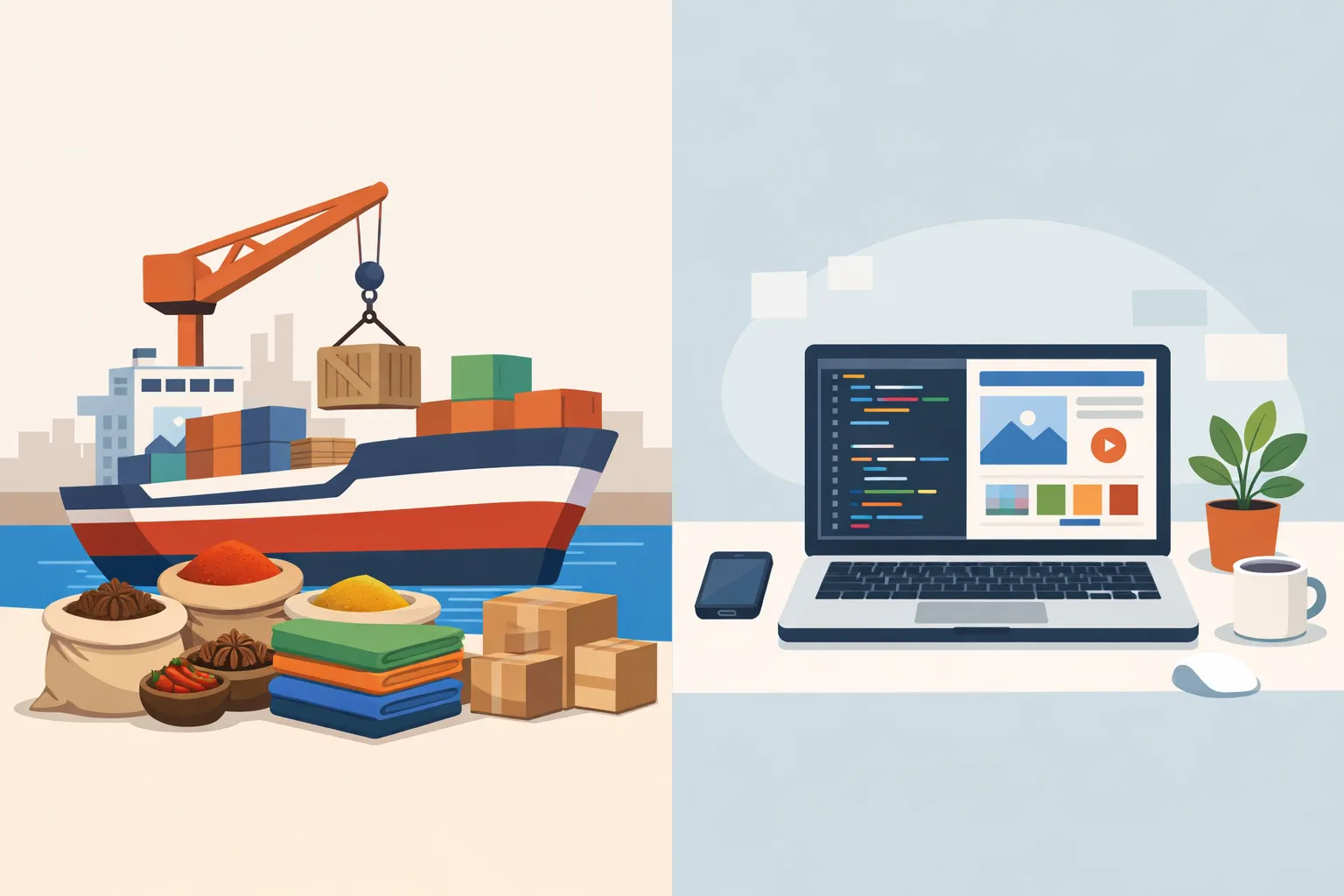
Export of Goods means a physical product leaves India and reaches a buyer in another country. Spices, textiles, handicrafts, medicines — anything tangible that gets packed and shipped.
Export of Services means you provide a service to someone outside India without a physical product being shipped. An Indian developer building software for a US startup is exporting a service. A graphic designer in Nagpur working for a client in London — same thing.
Both count as exports. And in most cases, both require an IEC Code to operate legally. More on that in the next section.
Why Do People Export from India? The Real Reasons
No motivational answer here. Just the practical ones.
- The domestic market has limits. At some point, the local market gets crowded or the margins shrink. International buyers can open up fresh demand.
- Better price for the same product. Indian spices, handmade goods, and garments often sell at much higher prices abroad than they would in India. The same product, bigger margin.
- Government schemes that reduce your costs. India has real incentives for exporters — Duty Drawback, RoDTEP, EPCG. These put money back in your pocket or reduce your input costs.
- You earn in foreign currency. Getting paid in USD or AED, even at small volumes, means your earnings don’t shrink with the rupee.
Who Can Export from India? (No Factory Needed)
This one surprised me when I first found out.
You don’t need a factory. You don’t need a private limited company. You don’t need to come from a trading family or have any prior business experience.
Anyone from the following can legally export from India:
- Individual entrepreneurs
- Sole proprietorship businesses
- Small manufacturers and traders
- Partnership firms and LLPs
- Private limited companies
- Home-based businesses (completely legal with the right setup)
The one thing you do need is an IEC Code — a 10-digit Importer Exporter Code issued by the DGFT. It’s the basic licence that allows you to export from India. Without it, you can’t legally ship goods out.
You can read our detailed guide on: “What is IEC Code? Everything a Beginner Must Know”
What Products Can Be Exported from India?
India exports across a huge range of categories. Here are the common ones a new exporter typically starts with:
- Spices and agricultural products (turmeric, chilli, cumin, rice, wheat)
- Textiles and garments (cotton fabric, readymade clothes, sarees)
- Handicrafts and home décor (wooden items, brassware, pottery, rugs)
- Pharmaceuticals (generic medicines, APIs)
- Engineering goods (auto parts, industrial components)
- Leather goods (footwear, bags, wallets)
- Jewellery and gems (gold, silver, precious stones)
- IT and software services (SaaS products, development work)
- Processed food (pickles, sauces, packaged snacks, namkeen)
- Chemicals and dyes
Picking the right product matters a lot. Demand, regulations, competition, and margins are all different for each category and each destination country.
You can read our detailed guide on: “Which Product Should You Export from India?”
How Does an Export Transaction Work? Step-by-Step
Don’t try to memorise this right now. Just read it once so you have a rough picture of how the whole thing moves.
- You find a buyer. Someone abroad wants your product — through Alibaba, IndiaMART, a trade fair, a cold email, or a referral.
- You send a Proforma Invoice. A formal quote. It tells the buyer what you’re selling, at what price, in what quantity, and on what delivery terms.
- Buyer confirms and arranges payment. Could be advance payment, Letter of Credit, or another agreed method.
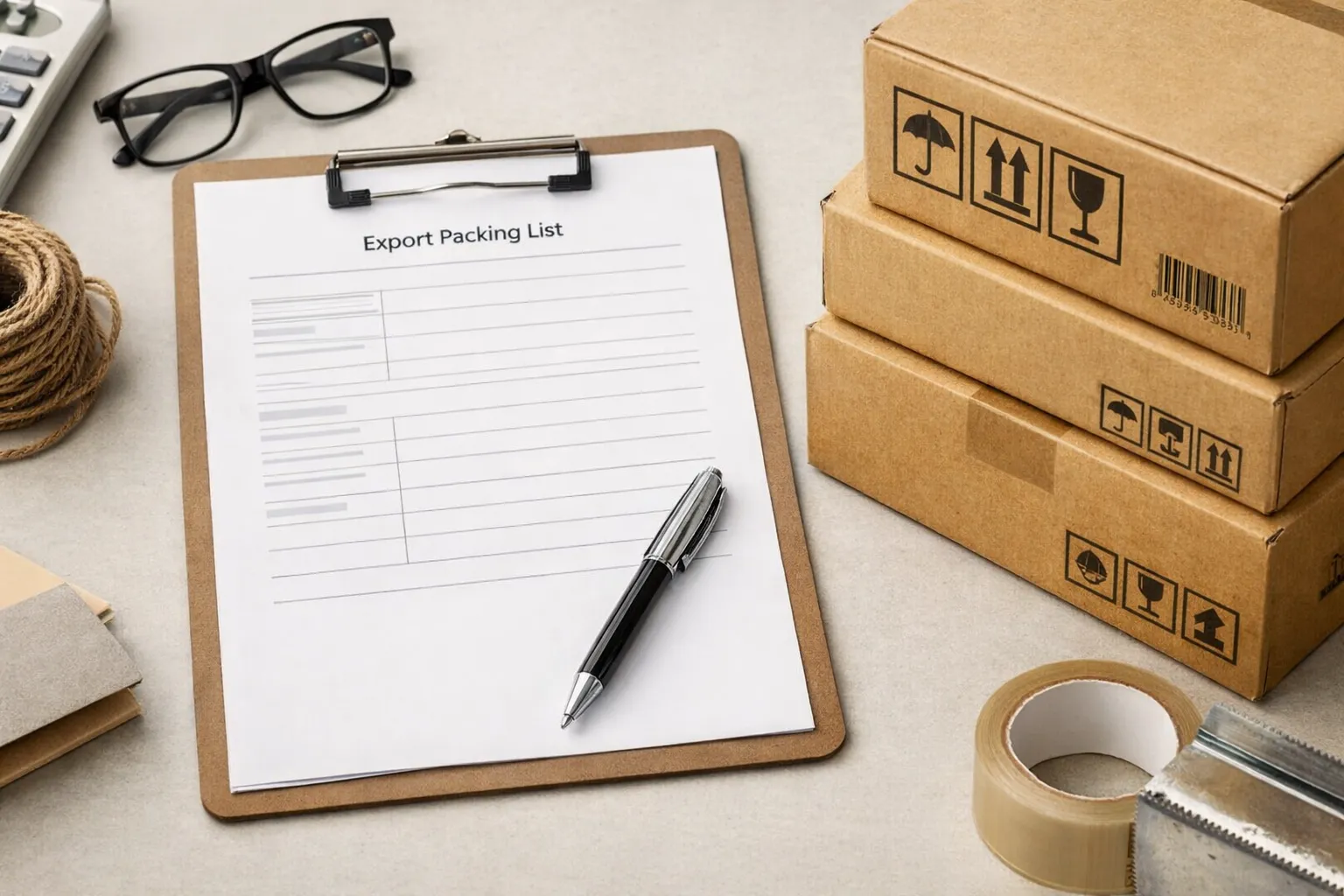
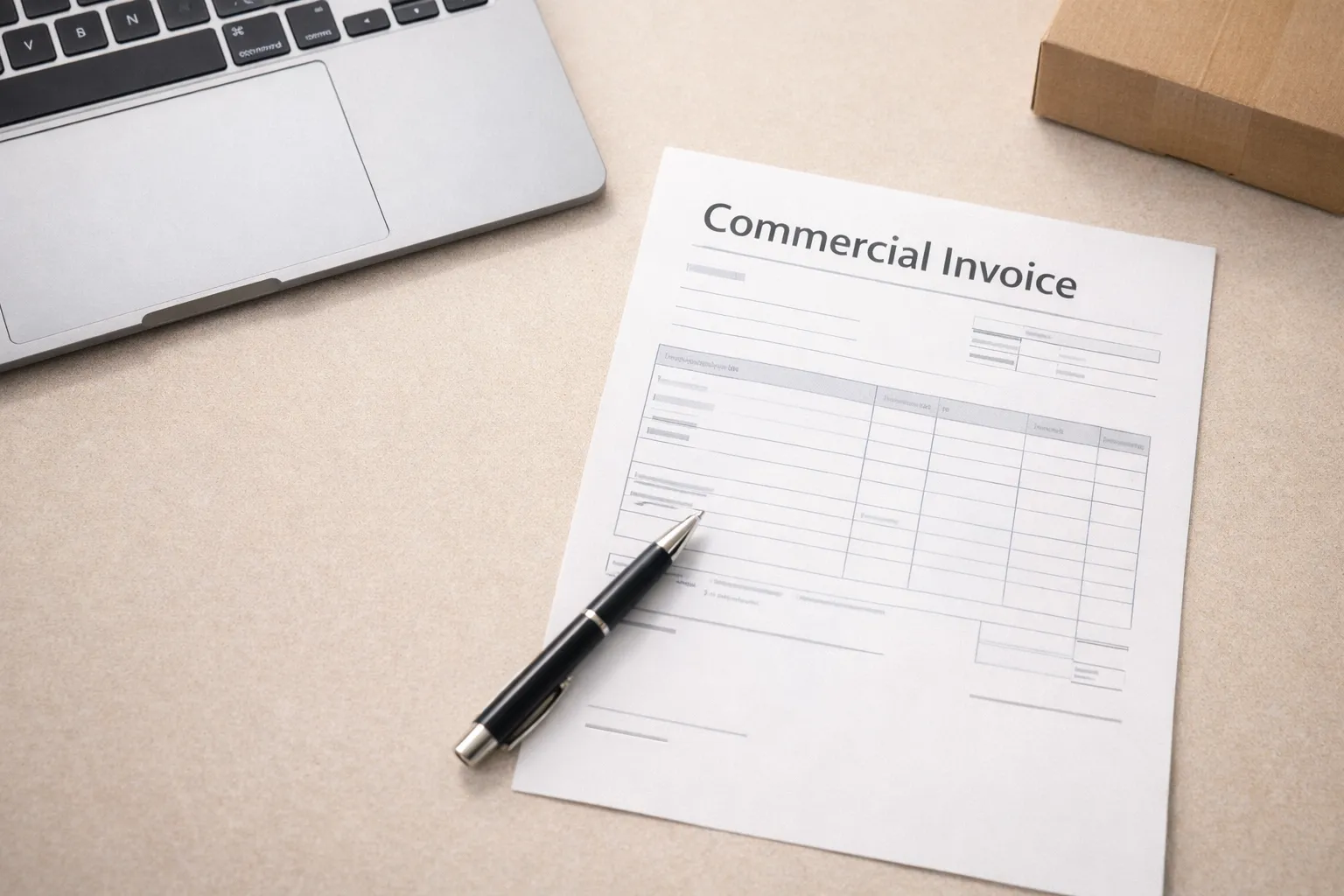
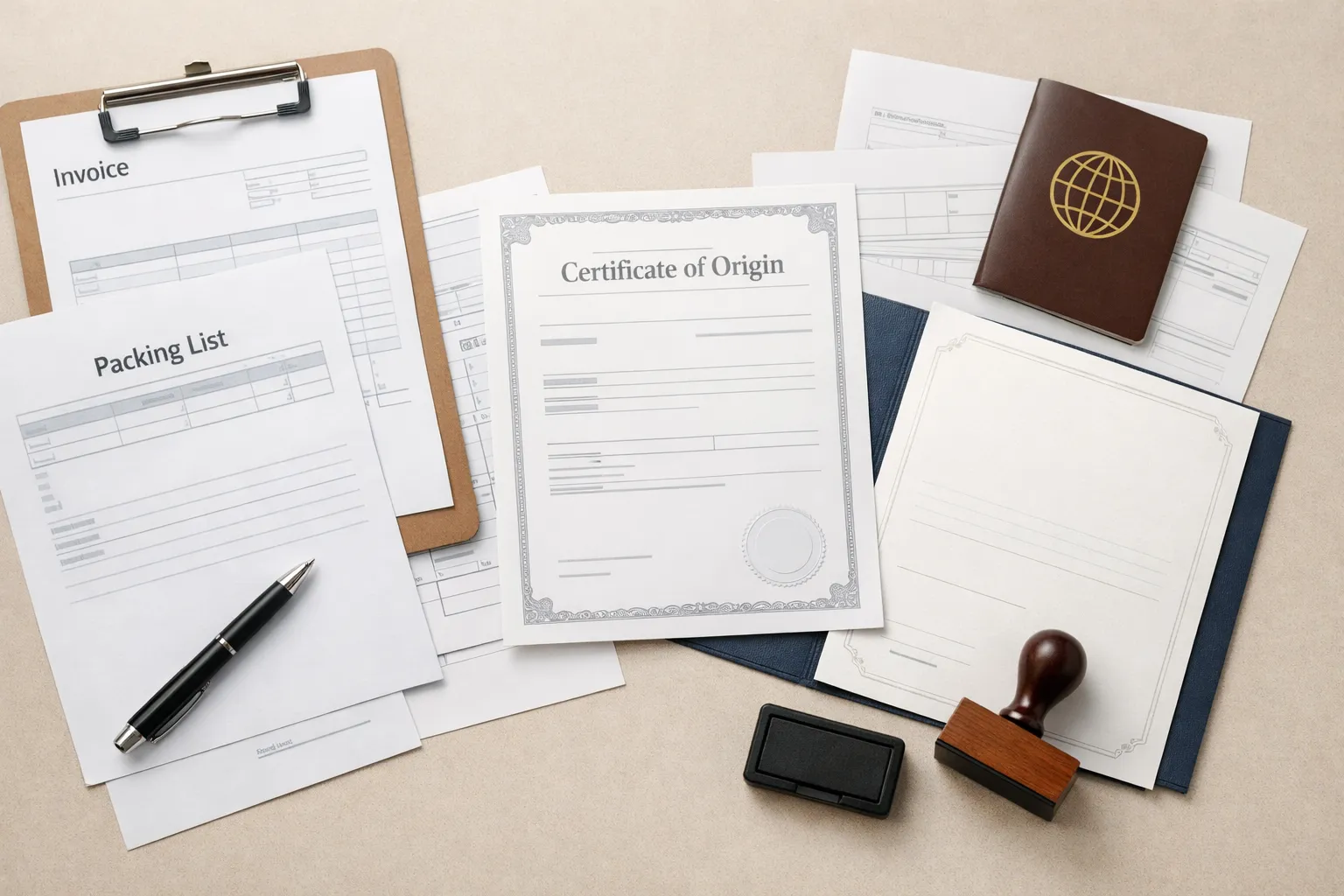
- You prepare the shipment. Goods are packed and labelled. You prepare the Commercial Invoice and Packing List.
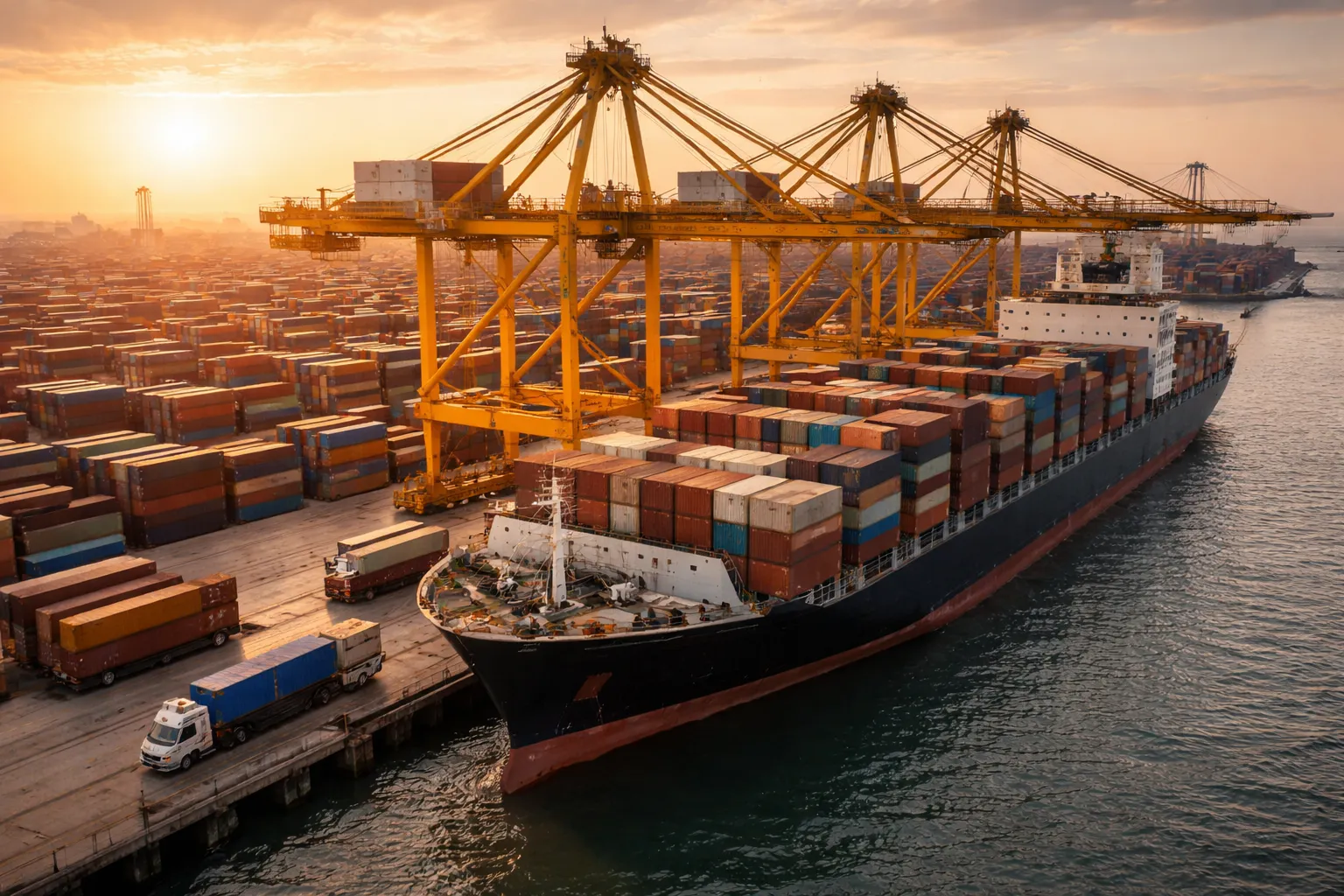
- Customs clearance. You file a Shipping Bill on ICEGATE — India’s customs portal. Customs reviews and clears the cargo.
- Shipment leaves India. Goods go on a ship or flight. You receive a Bill of Lading or Airway Bill as your proof of shipment.
- Payment is received and documents are closed. Buyer gets the goods, payment is completed, and your bank documents are submitted to close the transaction.
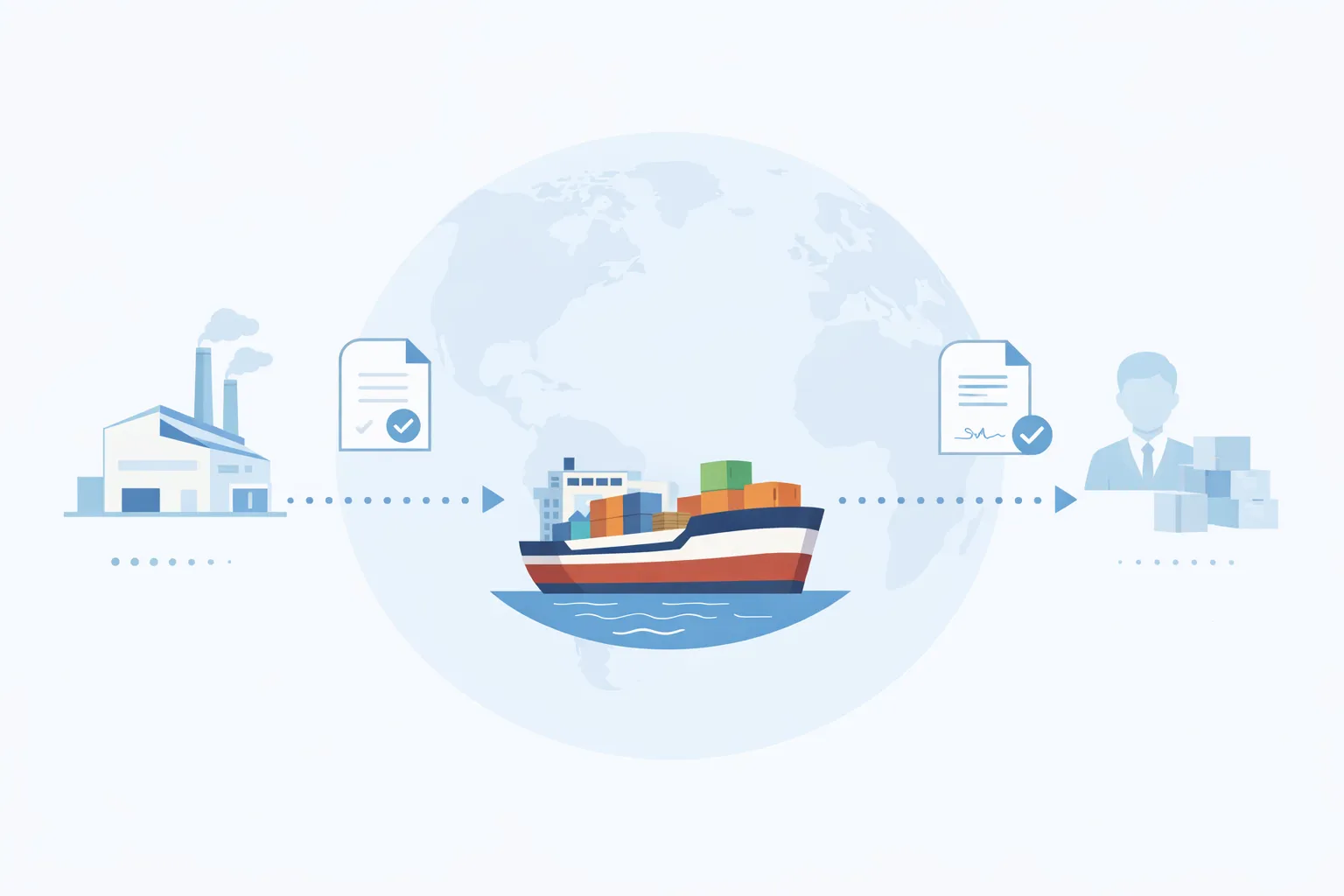
Every step here has its own paperwork and process. But this is the skeleton — and once you know the skeleton, the rest starts making sense.
You can read our detailed guide on: “Is Export Business Right for You? An Honest Answer“
Export vs Import: What’s the Difference?
Both are international trade. They just go in opposite directions.
Export = Product or service leaves India. Money comes in.
Import = Product or service enters India. Money goes out.
Simple example: An Indian company sells handmade rugs to a buyer in the UK — that’s an export. The same company buys a printing machine from Germany for its workshop — that’s an import. One IEC Code covers both.
Conclusion
When I started looking into export, the thing that scared me most wasn’t the business side — it was all the words I didn’t understand. Shipping Bill, IEC, Bill of Lading, AD Code. It felt like a different language.
But once I started breaking it down piece by piece, it became a lot less intimidating. Export follows a fixed process. The documents are the same for almost every shipment. The steps repeat. You learn it once and it stays.
That’s the whole point of Eximigo — to walk through this process one piece at a time, in plain language, without assuming you already know things.
If you’re starting from zero, the next right step is figuring out whether export makes sense for your situation. After that, it’s just one step at a time.
Key Takeaways
- Export means selling goods or services from India to a buyer in another country, in exchange for foreign currency.
- There are two types: export of goods (physical products) and export of services (IT, consulting, design, etc.).
- Any individual or small business in India can export — no factory, no big company needed.
- The IEC Code is the one document you must have before you can legally export from India.
- Every export transaction follows the same basic flow: find buyer → quote → payment → shipment → customs → delivery → payment received.
Frequently Asked Questions
Q1: Is export only for manufacturers?
No — and this is one of the biggest misconceptions about export.
Many successful exporters in India have never touched a factory. They source products from local manufacturers or markets and sell them to foreign buyers. This is called merchant exporting and it’s completely legitimate.
What matters is that you can source the product reliably, maintain consistent quality, and deliver on time. Whether you made it yourself is a separate question.
Q2: Do I need a registered company to start exporting from India?
No. A sole proprietorship is enough to begin.
You can get an IEC Code in your own name or under a proprietorship firm. GST registration, bank account, and AD Code all work the same way under a proprietorship. You don’t need to incorporate a private limited company just to start.
Many exporters begin as sole proprietors and upgrade their business structure later once volume and revenue justify it.
Q3: What is the first step to start exporting from India?
The first practical step is getting your IEC Code from the DGFT portal.
It costs ₹500, the application is fully online, and approval comes within one to two working days in most cases. Without it, you cannot legally export goods from India.
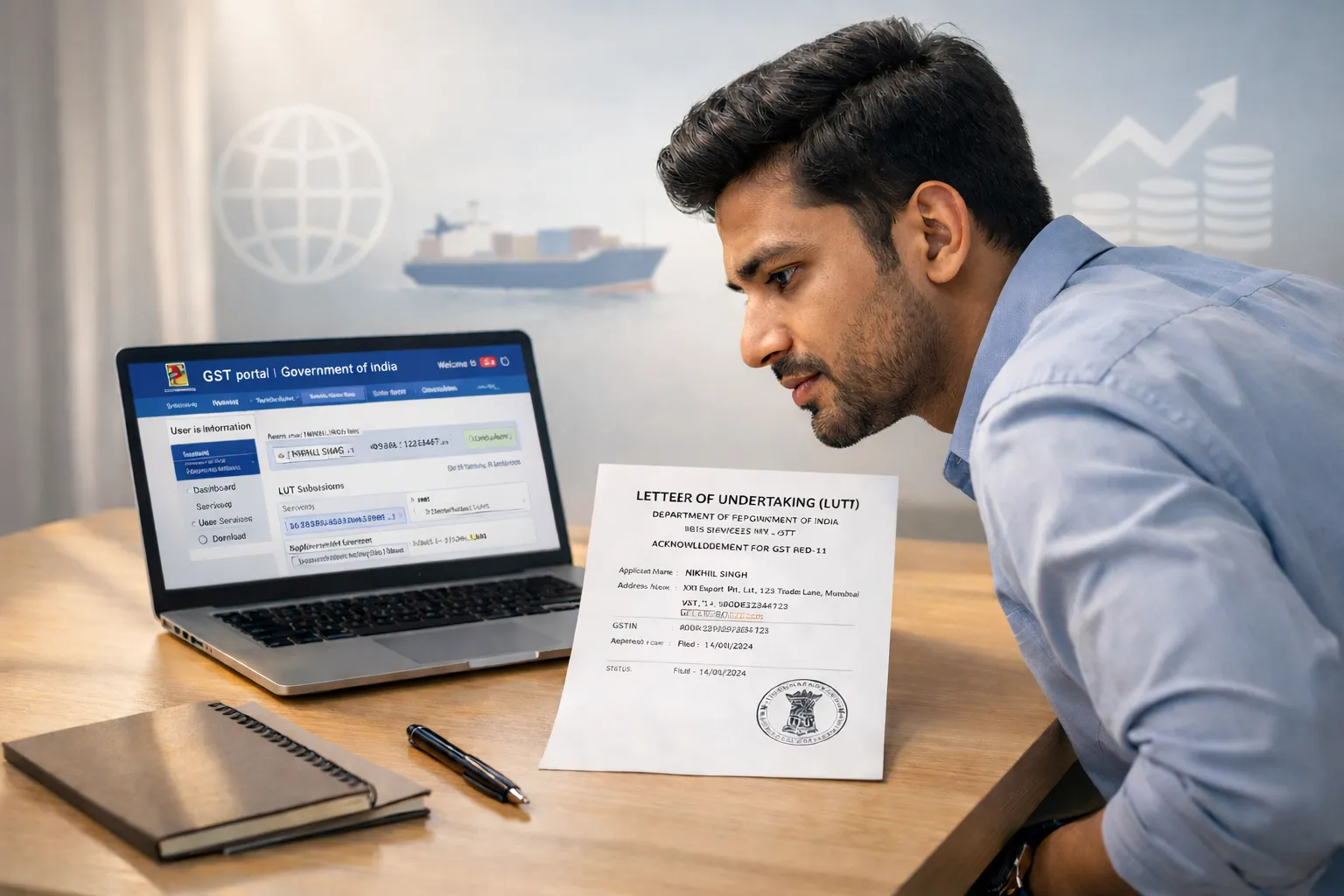
Once your IEC is done, the next steps follow in order — GST registration, LUT filing, opening a current account, AD Code registration, and deciding what product you want to export and to which market.
Q4: What is the difference between export of goods and export of services?
Export of goods means a physical product — spices, textiles, medicines, handicrafts — is packed and shipped from India to a buyer in another country. The product crosses a physical border.
Export of services means a skill or output is delivered to a foreign client without any physical shipment. An Indian software company building a product for a US client, or a designer working for a UK brand — both are exporting services.
The core difference is simple: goods are tangible and shipped, services are delivered through work or knowledge. Both are valid under Indian trade law, and both require a valid IEC Code to operate legally.