
Most content you’ll find online about export business looks the same — success stories, big numbers, “start your export journey today” kind of energy. I’ve read enough of it to know it rarely tells you the full picture.
This article is different. I’m not here to sell you on export. I’m here to help you figure out whether starting an export business in India actually makes sense for you right now — based on where you are, what you have, and what you’re willing to deal with.
By the end of this, you’ll have a clear enough picture to make that call yourself.
What Export Business Actually Looks Like in Reality
Before anything else, let’s be honest about what export actually involves on a daily basis.
It is not just finding a foreign buyer and shipping a product. There’s a layer of process around every single transaction — and that process doesn’t pause for you.
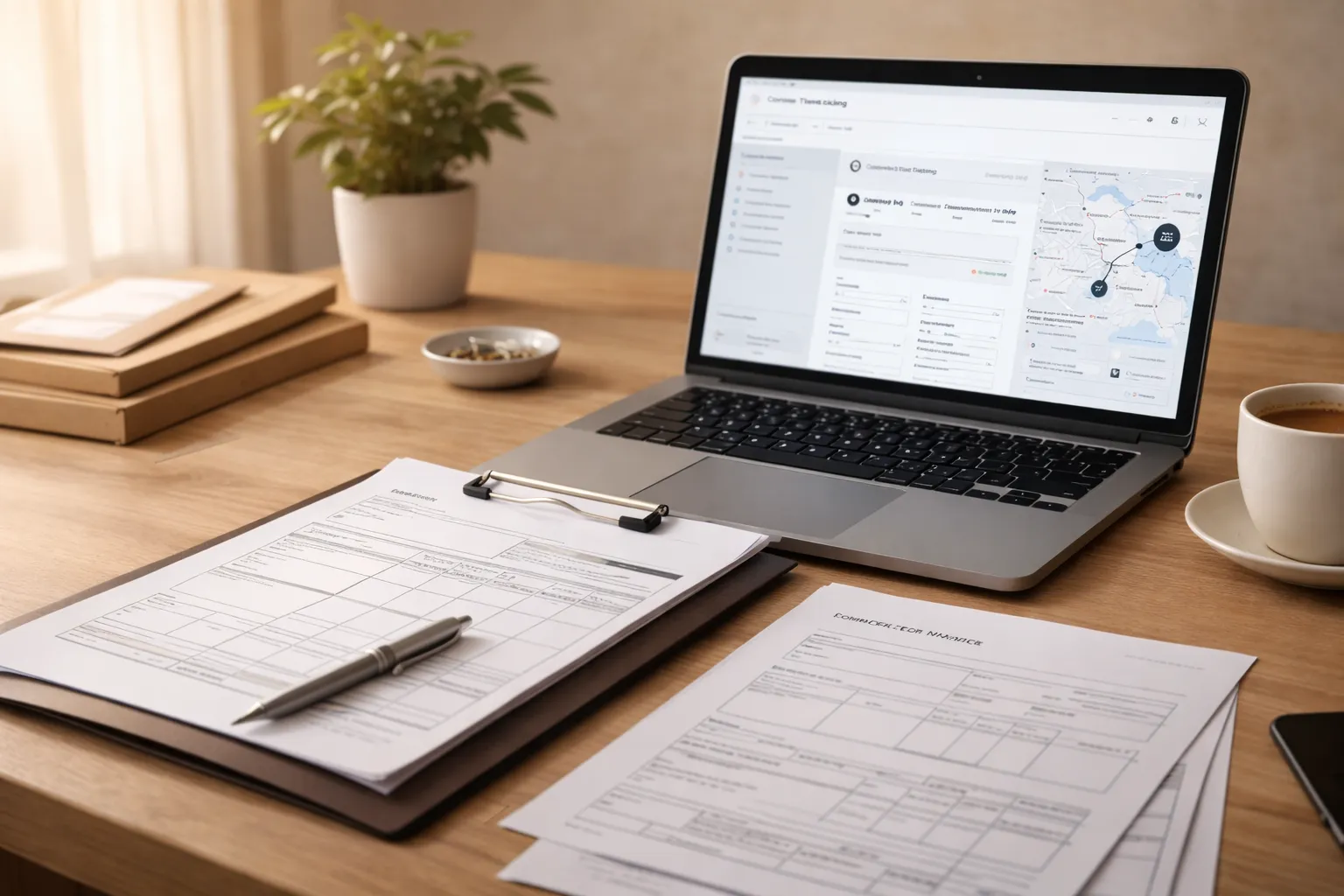
Here’s what the reality looks like:
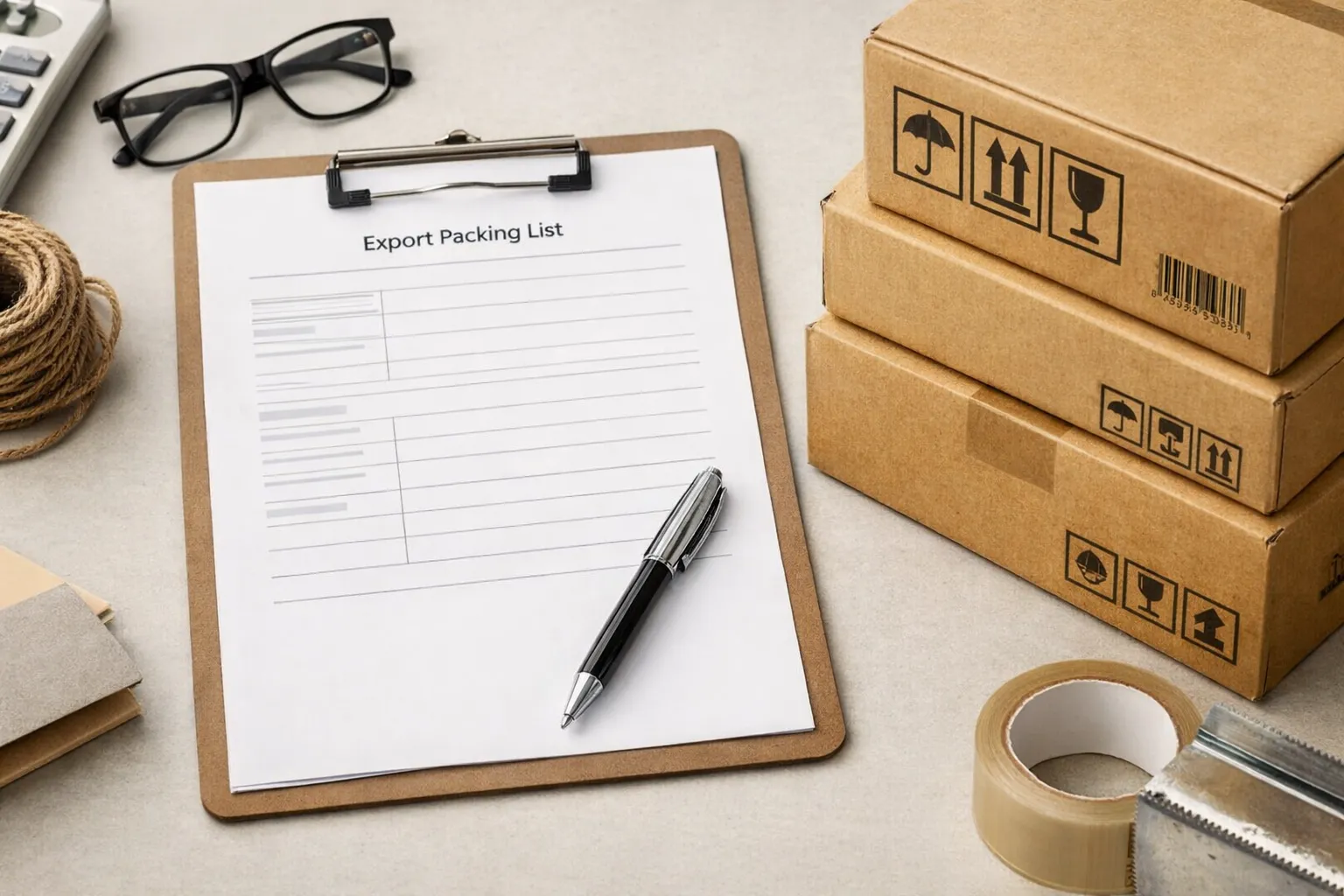
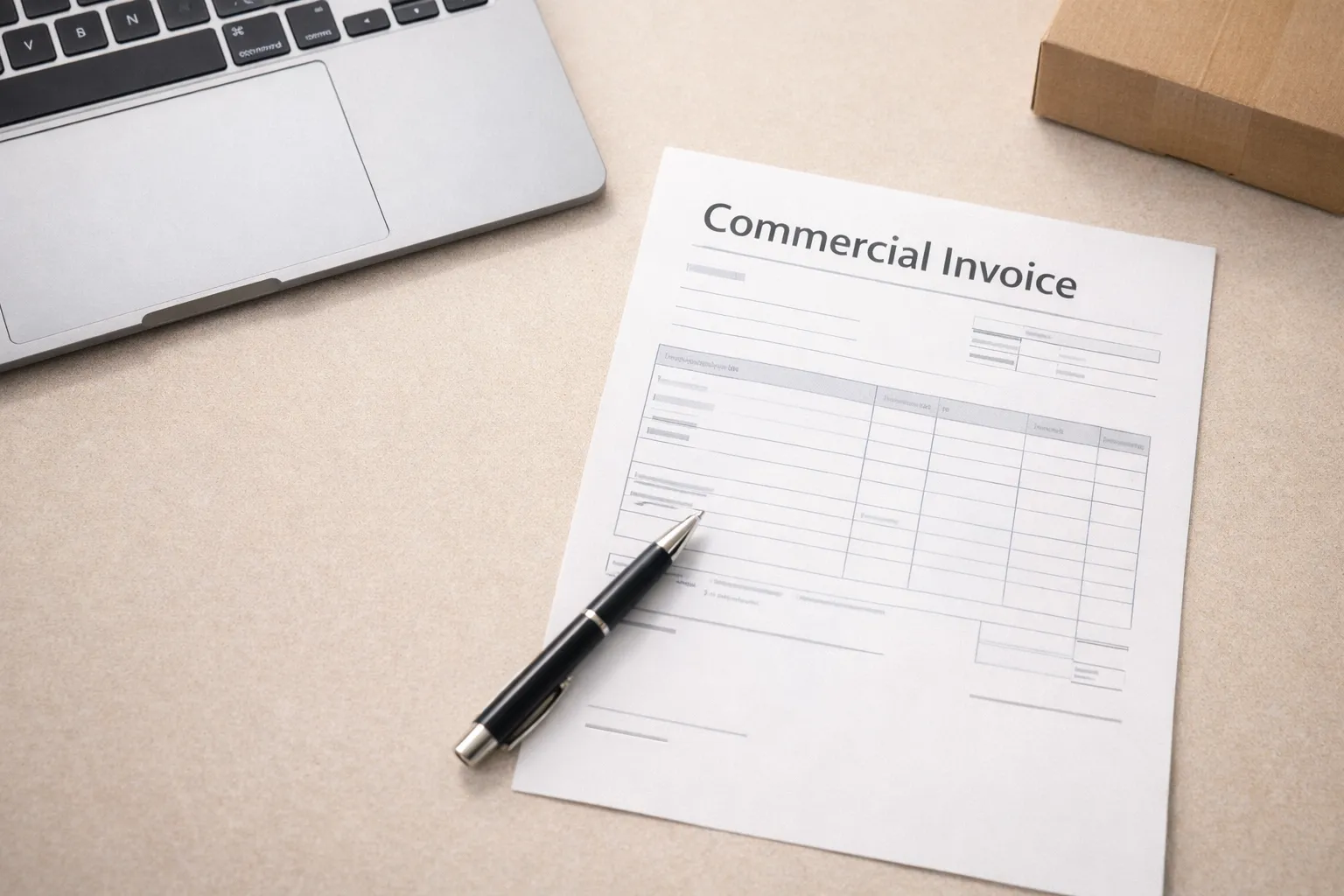
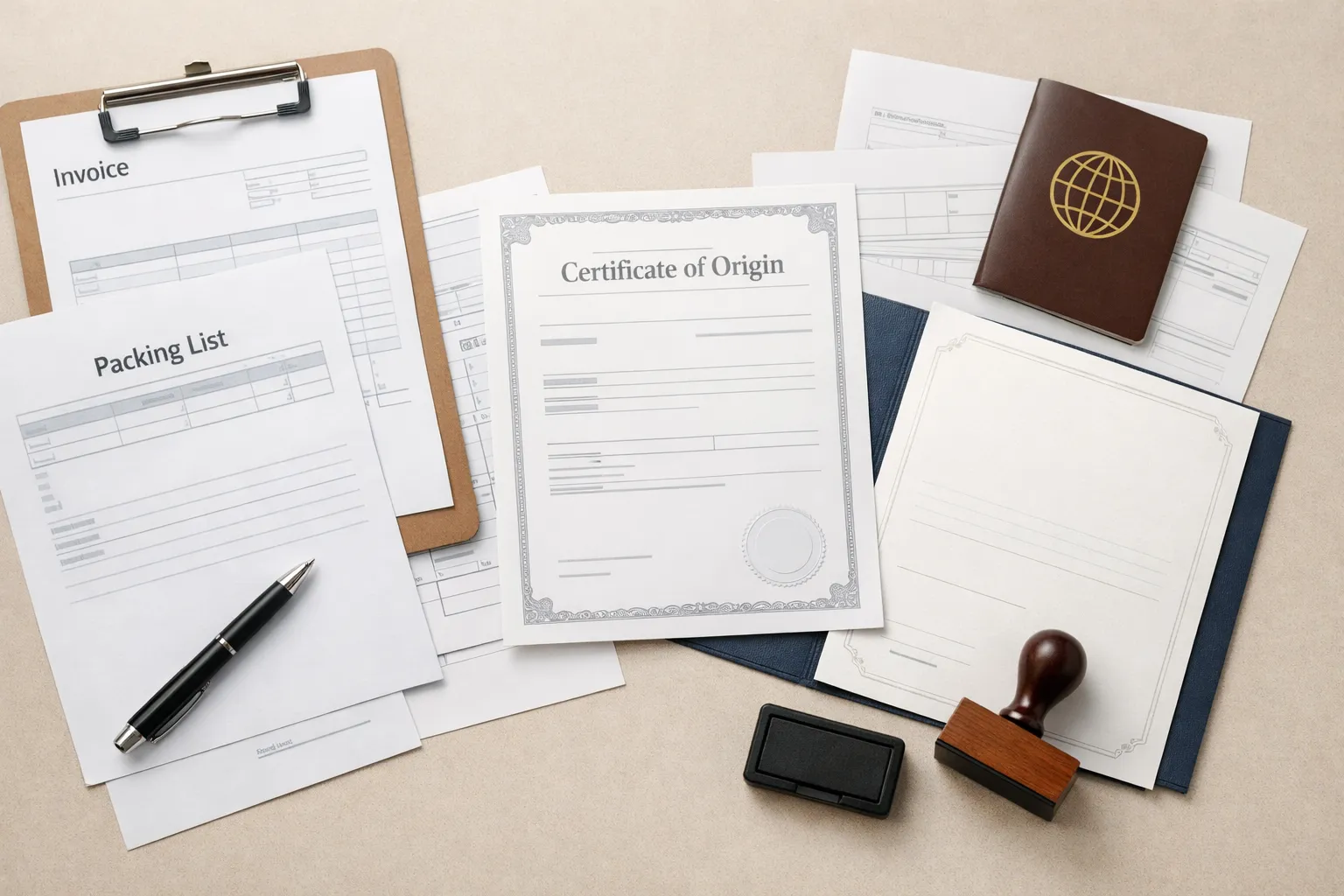
Paperwork is constant. Every shipment needs a set of documents — Commercial Invoice, Packing List, Shipping Bill, Certificate of Origin, and more depending on the product and country. Get one thing wrong and your shipment can be held at customs.
Payment doesn’t always come fast. Depending on your payment terms, you may ship the goods and wait 30, 60, or even 90 days before the money hits your account. For someone just starting an export business, this can be genuinely stressful if you haven’t planned for it.
Communication crosses time zones. Your buyer in the US is awake when you’re asleep. A buyer in the Middle East has a different weekend. Emails go unanswered for days. Follow-ups are part of the job.
Compliance is ongoing. GST rules, customs regulations, HS codes, DGFT notifications — these things change. You don’t need to know everything on day one, but you need to be willing to keep learning.
None of this is said to discourage you. It’s said so you know what you’re actually signing up for.
You can read our detailed guide on: “What is Export? Simple Explanation for Complete Beginners 2026“
Signs Export Business Is Right for You
These are not personality tests. They’re practical checkpoints for anyone considering export business for beginners in India.
- You have a product or can source one reliably. You either make something, or you know where to consistently get it at a price that leaves room for margin.
- You’re comfortable with process and paperwork. You don’t have to love it — but you can’t completely avoid it either. If following a checklist doesn’t bother you, you’ll manage.
- You can handle delayed payments. Not every buyer pays in advance. If you have enough working capital to cover a gap of 30–90 days without panicking, export becomes much more workable.
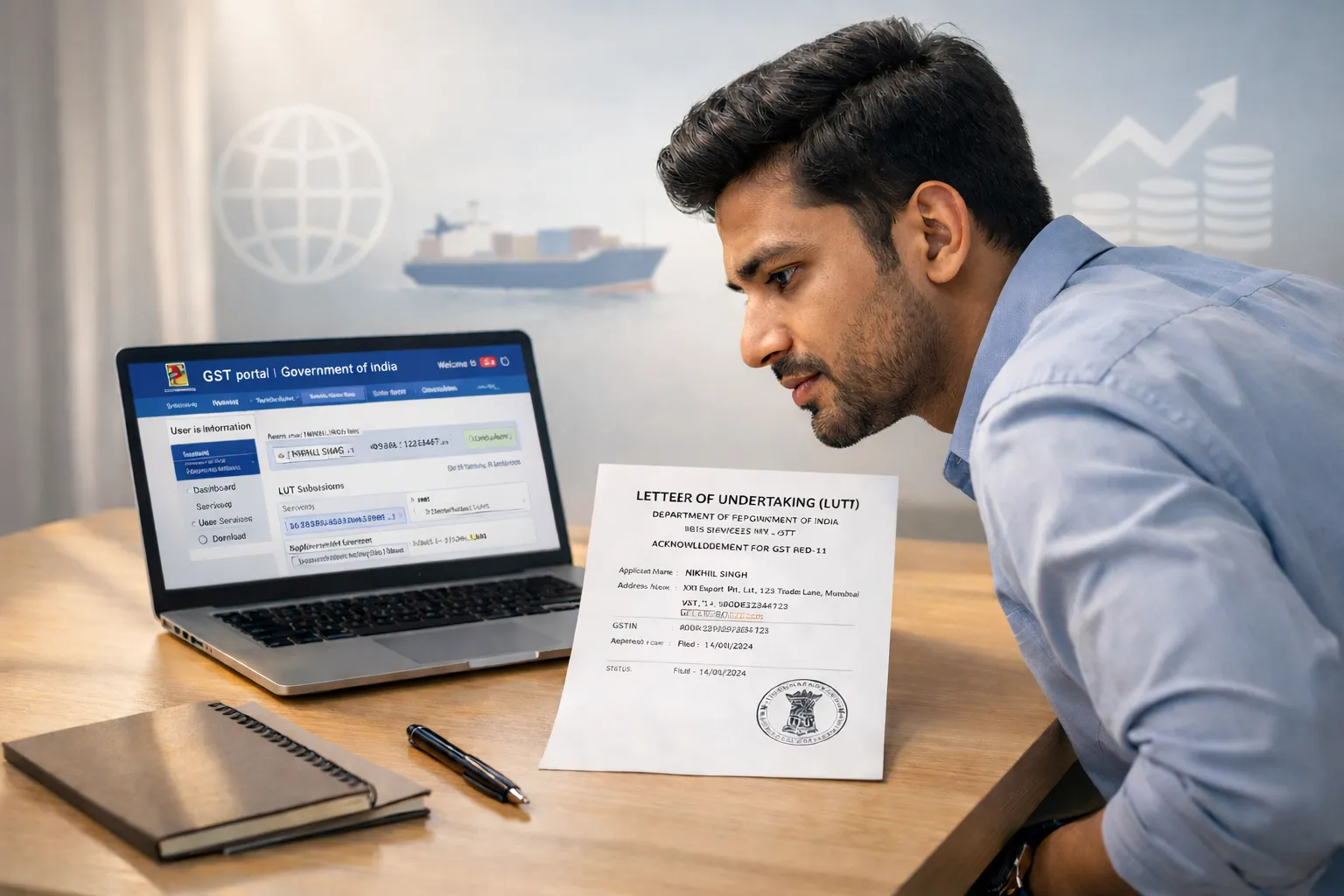
- You’re willing to learn compliance basics. IEC Code, GST LUT, Shipping Bill, HS Code — these are learnable. You don’t need to hire an expert for everything, but you need to understand enough to not get blindsided.
- You have basic English communication skills. Most international trade communication happens in English. You don’t need to be fluent, but you need to write a clear email and understand a reply.
- You’re thinking in terms of months, not weeks. Your first inquiry might take two months to arrive. Your first order might take four. If you’re building something, that timeline is fine. If you’re expecting quick results, it won’t feel fine.
- You’re already in a product business or closely connected to one. Manufacturers, traders, and people working inside a supply chain have a natural starting advantage. They already know the product, the pricing, and the sourcing side.
Signs You’re Not Ready to Start Export Business Yet
This is not a reason to give up — it’s just an honest reality check.
- You don’t have a product and haven’t figured out sourcing. Export doesn’t start with finding a buyer. It starts with having something reliable to sell. If that part isn’t clear yet, sort it first.
- You need money coming in immediately. Export takes time to generate consistent income. If you’re in a situation where you need earnings in the next 30 days, this is not the right moment to start an export business in India.
- You’re not willing to handle any documentation yourself. You can outsource some of it to a Customs House Agent or freight forwarder, but you still need to understand what’s happening. Completely hands-off doesn’t work well in export.
- You’re expecting your first order within a month. It rarely works that way. Building buyer relationships, getting inquiries, and converting them into actual orders takes time. If your expectation is a quick win, export will frustrate you early.
Do You Need Prior Experience to Start Export Business?
No. You don’t need a background in trade, logistics, or international business.
I had none of that when I started. Nobody in my family has ever been in any kind of business. I was figuring out what an IEC Code was at the same time I was figuring out what export even meant. You learn as you go — as long as you’re actually willing to learn.
What you need is not experience. It’s willingness to go through the process step by step, without skipping parts because they seem complicated.
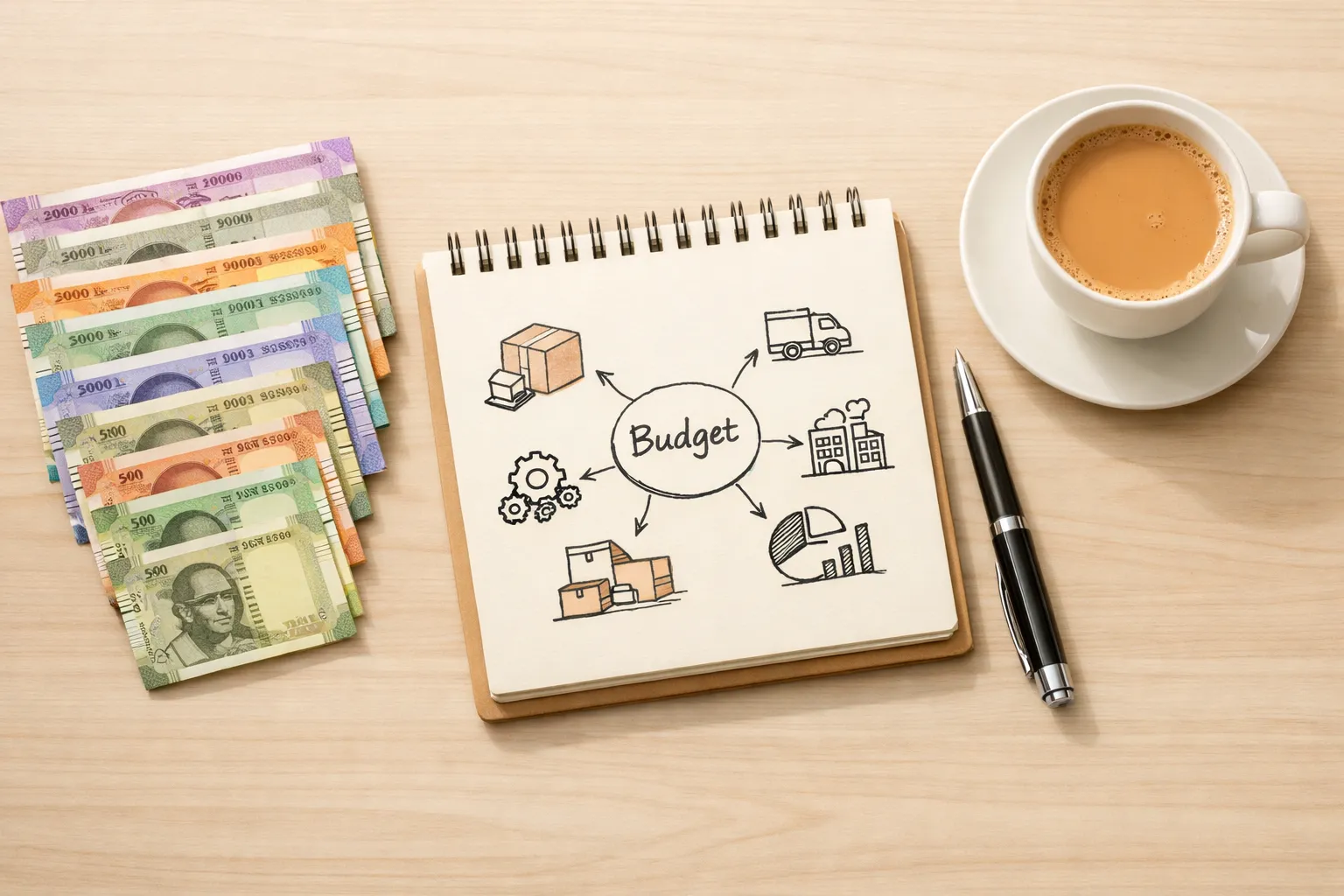
What Budget Do You Need to Start an Export Business in India?
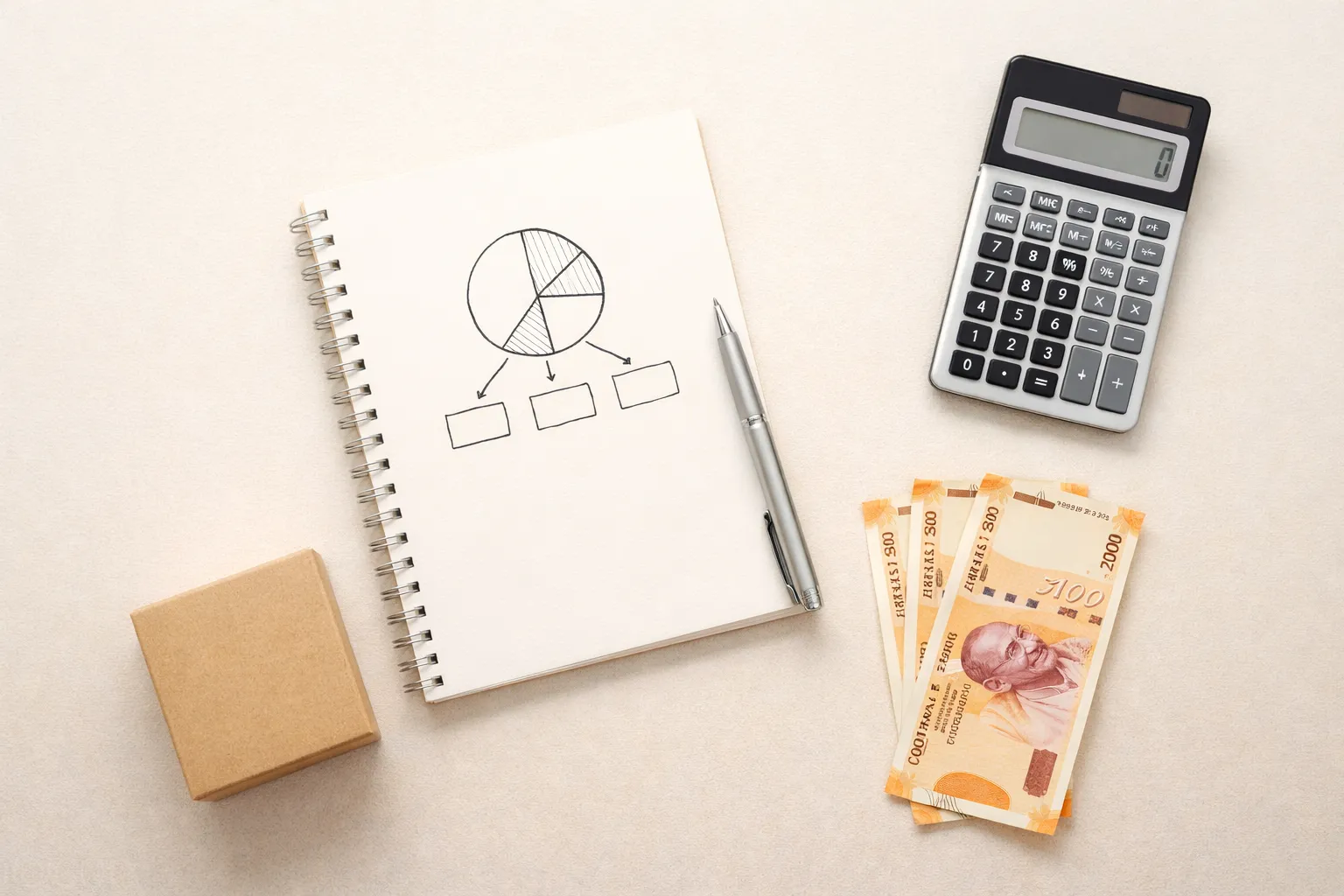
There’s no single honest number here because it depends on your product, your scale, and how you set things up. But here’s a realistic picture of the early costs:
Registration and compliance costs are relatively low to start an export business in India. IEC Code costs ₹500. GST registration is free. RCMC registration with an export council ranges from ₹500 to a few thousand depending on the council.
Samples cost money. Before a serious buyer places an order, they’ll often ask for samples. Depending on your product, this could mean ₹500 or ₹50,000 in samples sent abroad — including courier costs which are not cheap.
Platform and marketing costs vary. A free IndiaMART listing is possible. For paid platforms like Alibaba, pricing changes regularly — before committing to a subscription, check the current plans directly on the official Alibaba India page to get an accurate number. Trade fair participation adds its own separate cost on top of this.
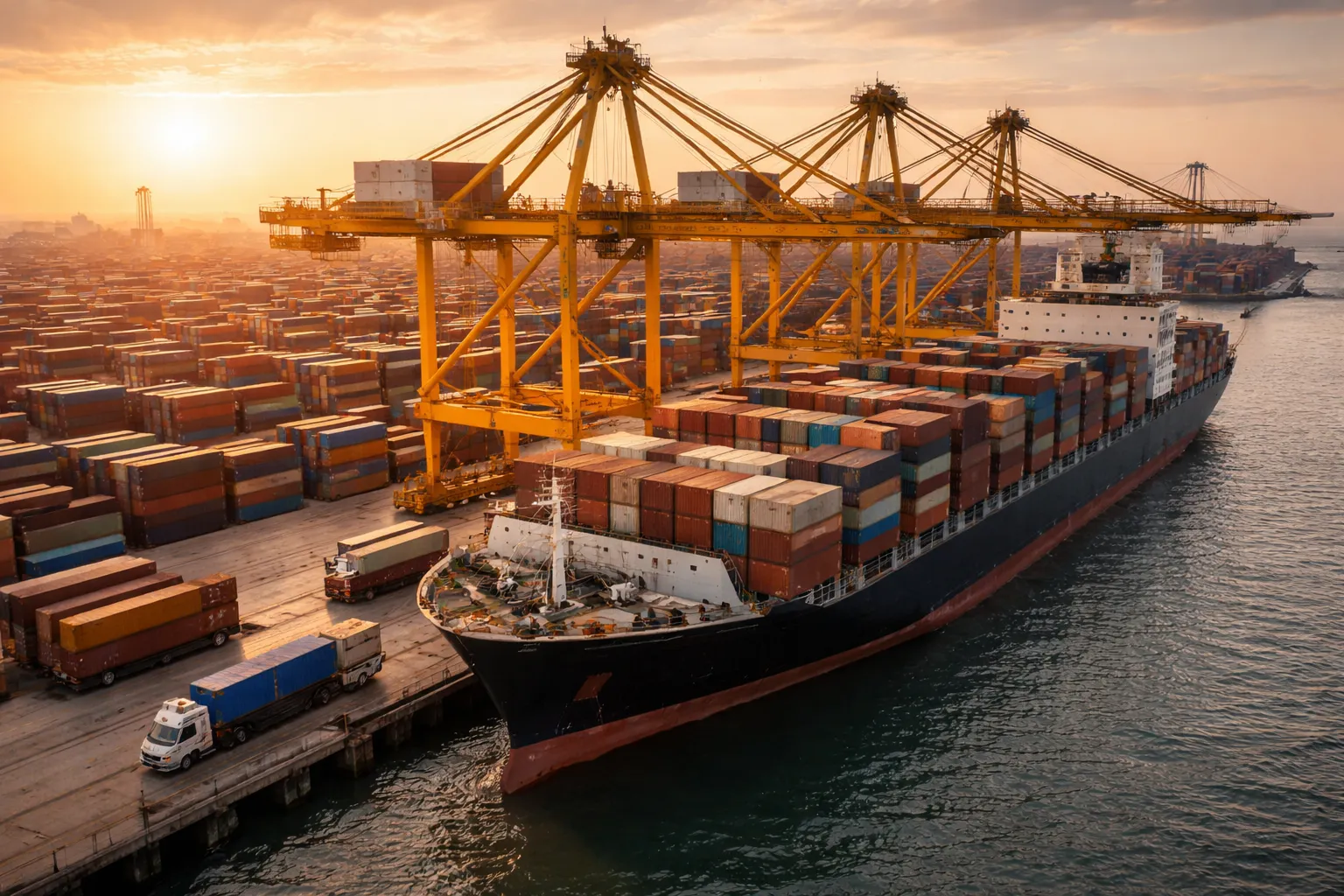
Logistics and freight depend entirely on your shipment size and destination. For small sample shipments, international courier might cost ₹3,000–₹15,000. Full container loads are a different scale entirely.
Working capital is often the most underestimated part. If your buyer doesn’t pay in advance, you need funds to produce or procure the goods, pack them, and ship them before the money arrives.
Starting lean is possible. But going in with no budget and expecting things to work out is not realistic.
You can read our detailed guide on: “How Much Money Do You Need to Start Exporting?”
Export Business: Side Income vs Full-Time — What Makes More Sense?

For most people at the beginning, starting export business as a side income in India alongside something else makes more practical sense.
Here’s why: the first few months of export are mostly learning and groundwork. You’re getting registrations done, understanding documents, building your product profile, setting up on buyer platforms, and sending out inquiries. Very little of this generates immediate income.
If you’re doing this while running an existing business or working a job, the pressure is lower. You can take the time to learn properly instead of rushing to generate revenue.
Starting full-time makes sense when:
- You already have a buyer or a serious lead in hand
- You have enough savings to cover 6–12 months of personal expenses
- Your product is ready and your supply chain is sorted
Starting part-time makes sense when:
- You’re still figuring out the product and market
- You have other income to rely on
- You’re in the learning phase and don’t yet have an active order pipeline
There’s no shame in starting small and part-time. Most people who are serious about export do exactly that.
Is Export Business the Right Move for You Right Now?
Before you decide, ask yourself these four questions honestly:
1. Do I have a product I can source consistently and at a price that works? If yes, you have a foundation. If no, start there before anything else.
2. Can I handle a 3–6 month period with no orders while I build the groundwork? If yes, you’re in a position to start. If no, sort your financial situation first.
3. Am I willing to learn the documentation and compliance side — even if it takes time? If yes, the process is learnable. If no, export will feel like a constant uphill task.
4. Am I starting this because it makes sense for my situation — or because it sounds good? This one’s worth sitting with. Export works when there’s a real product, a real market, and a real plan. It doesn’t work well as a vague idea with no foundation.
If your honest answers lean positive, export is worth pursuing seriously. It’s not a shortcut to income, but it’s a real business that works for people who go in prepared.
You can read our detailed guide on: “How to Start an Export Business in India: 10 Clear Steps”
Key Takeaways
- Export business involves real complexity — paperwork, payment delays, compliance, and communication across time zones. Knowing this upfront is an advantage, not a warning.
- You don’t need prior business experience to start an export business in India — but you do need patience and a genuine willingness to learn the process properly.
- Budget matters. Registration costs are low, but samples, platforms, logistics, and working capital add up. Go in with a realistic picture.
- Starting export as a side income in India while you have other income is often the smarter move in the early phase.
- Before deciding, ask yourself four honest questions about your product, your finances, your willingness to learn, and your real reason for wanting to export.
Frequently Asked Questions
Q1: Can a complete beginner start an export business in India?
Yes — but beginner doesn’t mean you can skip the basics.
Before your first shipment, you need a working understanding of the registration process, the key documents involved, and how export payments work. You don’t need to know everything on day one — but going in completely blind leads to costly mistakes early.
The learning curve is real. It’s not steep if you take it step by step.
Plenty of people have started from zero — no business background, no trade connections — and built working export businesses over time.
Q2: How long does it take to get the first export order?
There’s no fixed timeline — and anyone giving you a specific number is guessing.
For most new exporters who are actively working on it — setting up platform profiles, sending outreach, responding to inquiries — the first serious inquiry typically comes somewhere between two and six months.
Converting that inquiry into an actual confirmed, paid order takes additional time on top of that.
Plan for a longer runway than you think you’ll need. Most people underestimate this part.
Q3: Is export business profitable for small businesses in India?
It can be — but profit is not automatic just because you found a foreign buyer.
Many Indian products genuinely command better margins internationally than they do in the domestic market. That’s the real opportunity. But export comes with its own cost structure — freight, compliance, platform fees, and working capital tied up during payment cycles.
Profitability comes from knowing your full costs, pricing correctly from the start, and choosing the right market for your product.
Q4: Do I need a product of my own to start an export business?
No — having your own product is an advantage, not a requirement.
Many Indian exporters operate purely as traders. They source products from manufacturers or local markets and sell them to foreign buyers. This is a completely legitimate model and a common starting point.
What actually matters is whether you can source the product consistently, maintain reliable quality, and price it competitively after all export costs are factored in.
Q5: What is the minimum investment to start an export business in India?
If you start lean — sole proprietorship, IEC Code, GST registration, and a free IndiaMART listing — your fixed setup costs can genuinely be under ₹5,000. The mandatory government fees alone are just ₹500 for the IEC Code.
But realistically, once you add sample costs, international courier charges, basic marketing, and working capital to fund your first order, you should plan for somewhere between ₹50,000 and ₹2,00,000 depending on your product and approach.
Going in with zero budget isn’t impossible — but it makes every step harder than it needs to be.