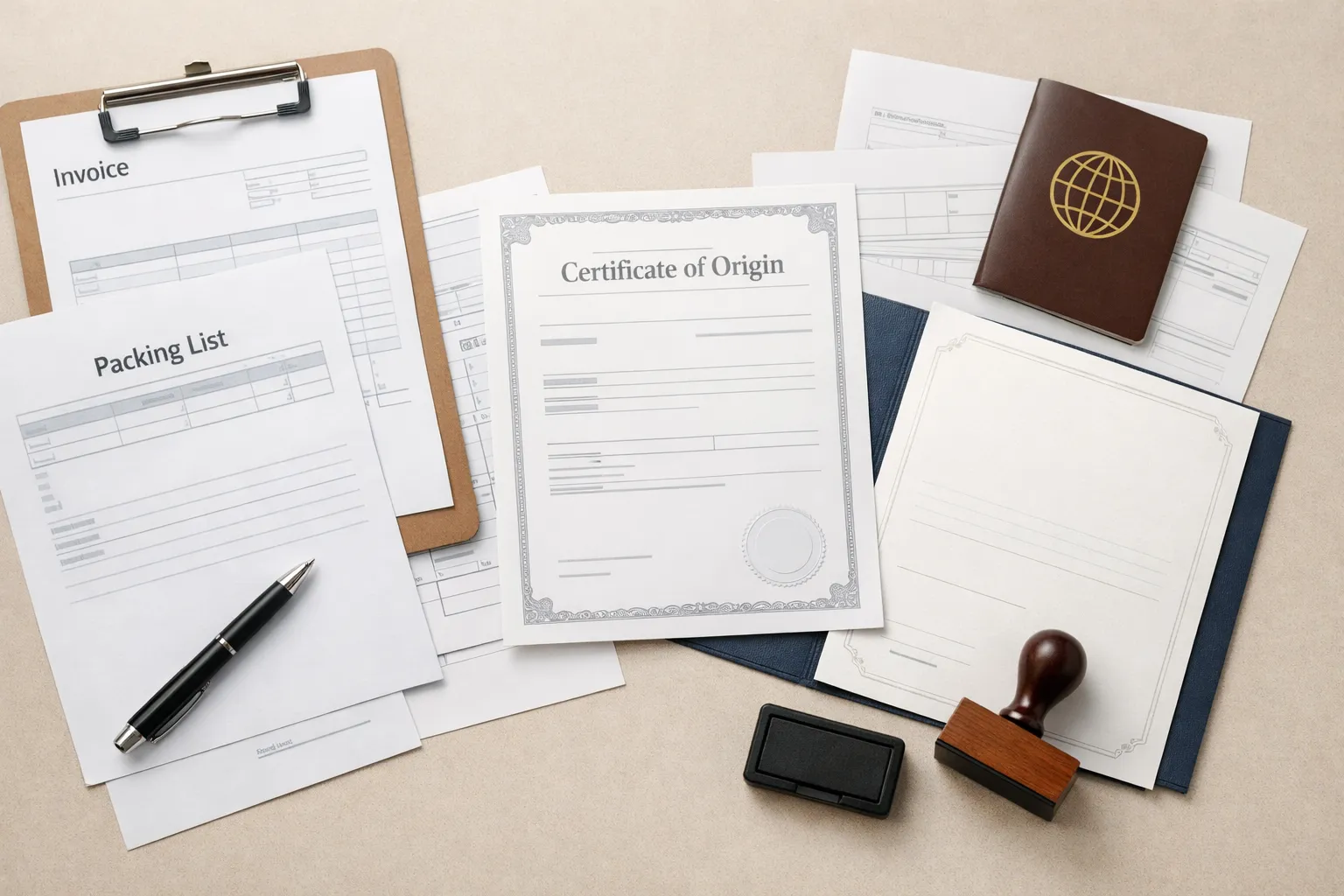
The first time I saw a full list of export documents, I thought I needed a law degree to understand it. I didn’t. Each document has a simple purpose — once you understand that, the paperwork stops feeling scary.
Export documentation is the part that intimidates most beginners. But every export document you need in India exists for a clear reason — customs needs it, your buyer needs it, or your bank needs it. Once you know what each one is for, preparing them becomes a systematic process rather than a guessing game.
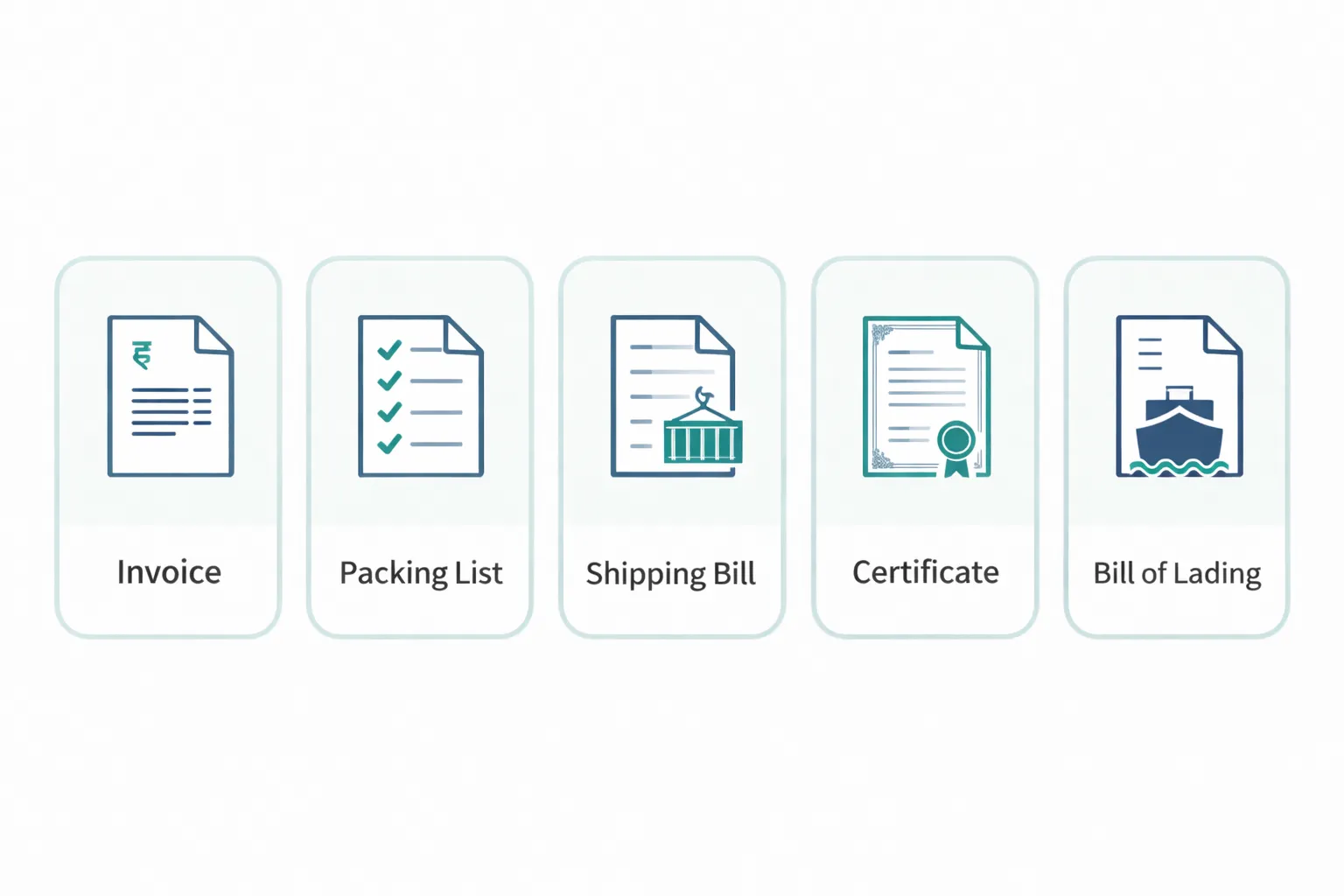
This article covers every key export document required in India — what it is, what it does, and when you need it. Save it as a reference guide and come back to it every time you prepare a shipment.
Why Export Documents Matter
Documents are the proof of your transaction at every stage of the export process.
Customs needs them to verify what you’re exporting and clear your shipment. Your buyer needs them to receive the goods and clear them through their own country’s customs. Your bank needs them to process the foreign payment correctly and link it to the right export transaction.
A missing document holds up your shipment at the port. An incorrect document can mean customs delays, fines, or your payment being held by the bank.
Getting documents right is not bureaucracy — it is literally how export works.
The Two Types of Export Documents Required in India
Before going through the full list, it helps to understand how export documents are organised.
Commercial documents are created between you and your buyer. These include the invoice, packing list, proforma invoice, and purchase order. They define the transaction — what was sold, at what price, in what quantity, and on what terms.
Regulatory and compliance documents are required by customs, the government, or the importing country. These include the Shipping Bill, Certificate of Origin, and product-specific certificates. They prove that your export is legal, correctly classified, and meets the requirements of the destination country.
This article covers both types in order.
Commercial Documents
1. Proforma Invoice
What it is: A preliminary invoice sent to the buyer before the order is officially confirmed.
Purpose: It gives the buyer all the key details of the proposed transaction — product description, quantity, unit price, total value, payment terms, and delivery terms. Buyers use it to get internal approval, arrange finance, or open a Letter of Credit with their bank.
When needed: Before the order is placed — it is the document that starts the conversation toward a confirmed deal.
Who creates it: The exporter.
You can read our detailed guide on: “What is IEC Code? Everything a Beginner Must Know Before Exporting“
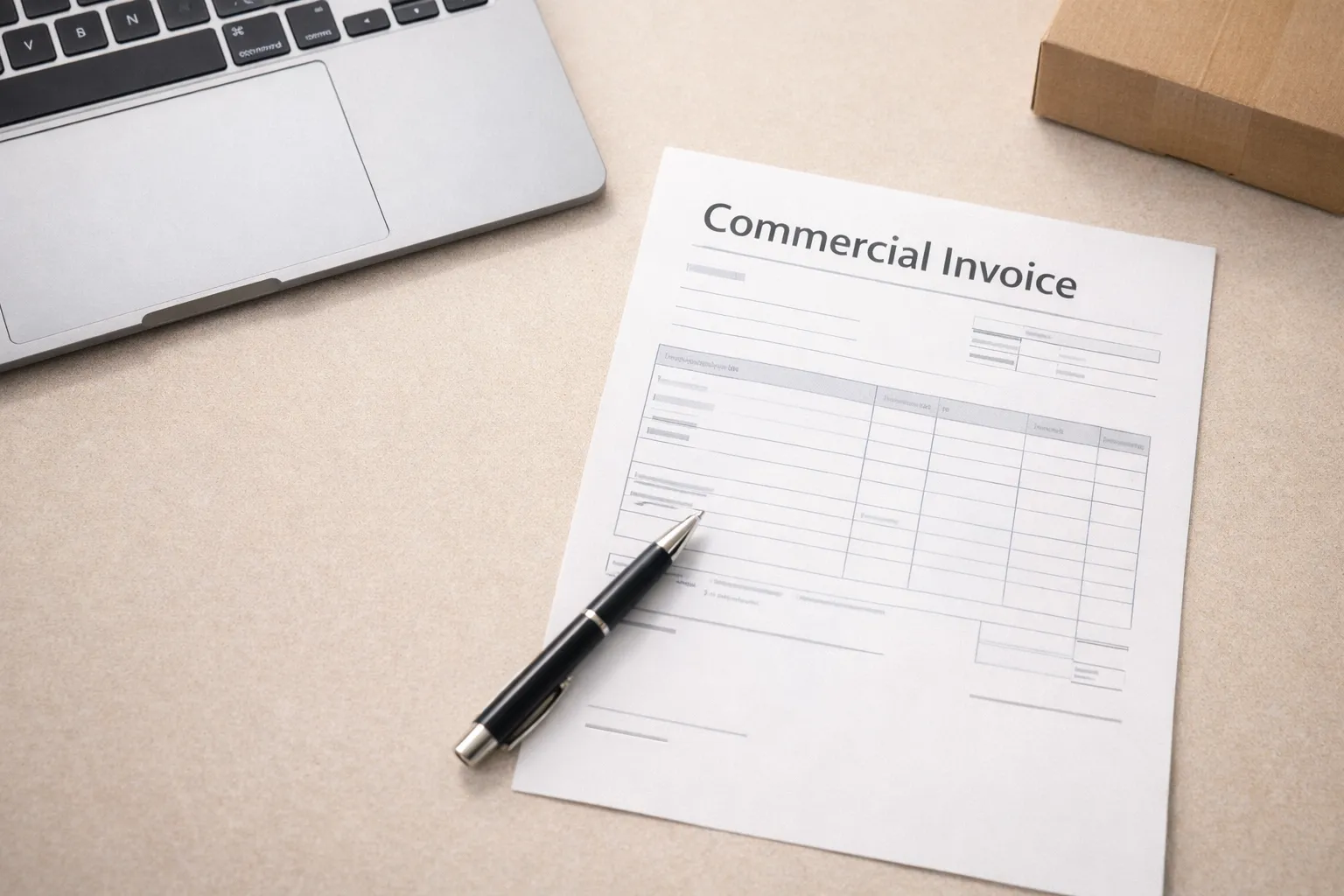
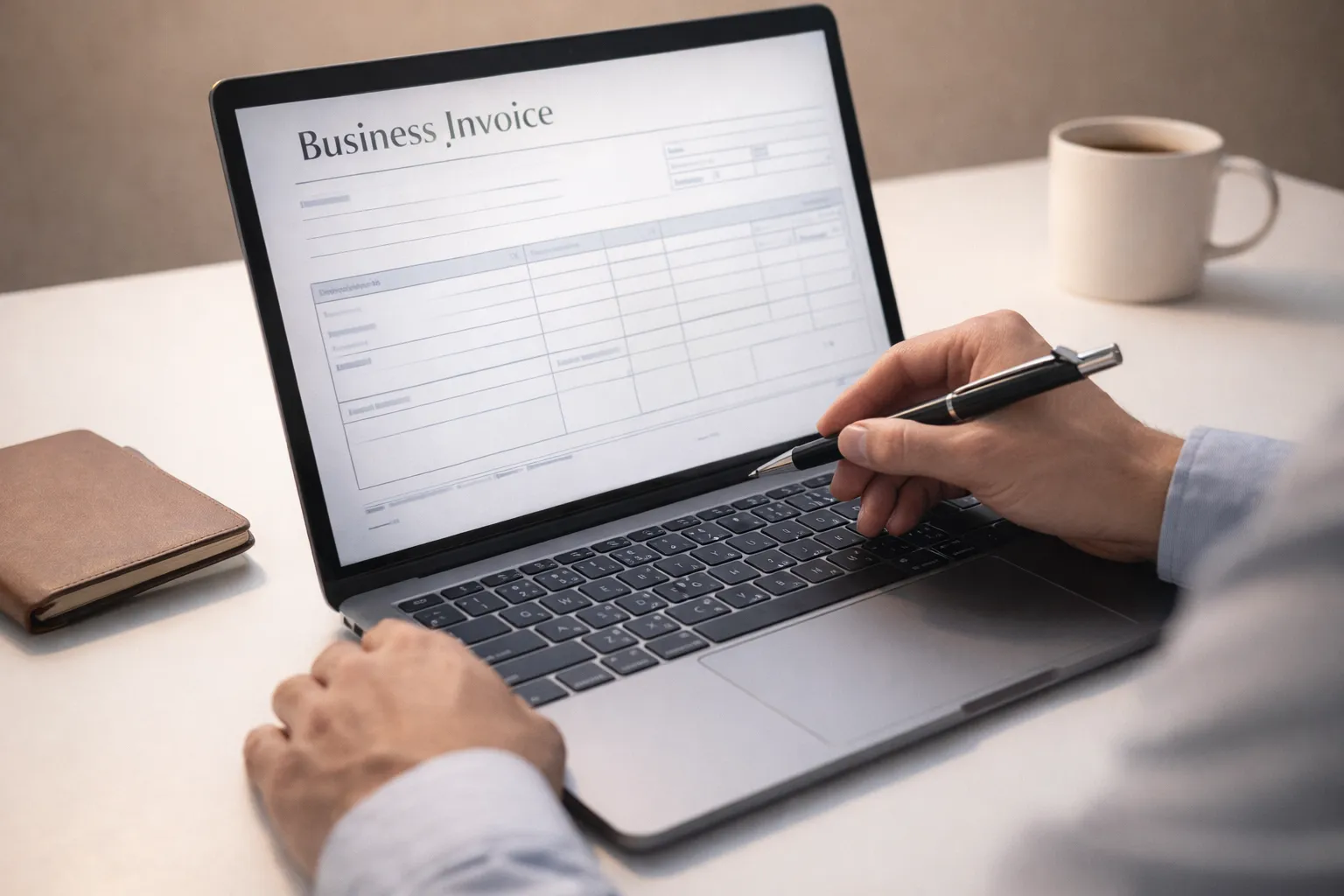
2. Commercial Invoice
What it is: The final invoice raised after the order is confirmed and the goods are ready for shipment.
Purpose: This is the central financial document of your export transaction. Customs uses it to assess the value of goods being exported. Your bank uses it to process the foreign payment. Your buyer uses it to clear the goods at their end.
What it must include: Exporter and buyer details, HS Code of the product, detailed description of goods, quantity, unit price, total value, currency, payment terms, IEC number, and shipping terms (Incoterms).
When needed: For every export shipment without exception. No shipment moves without a commercial invoice.
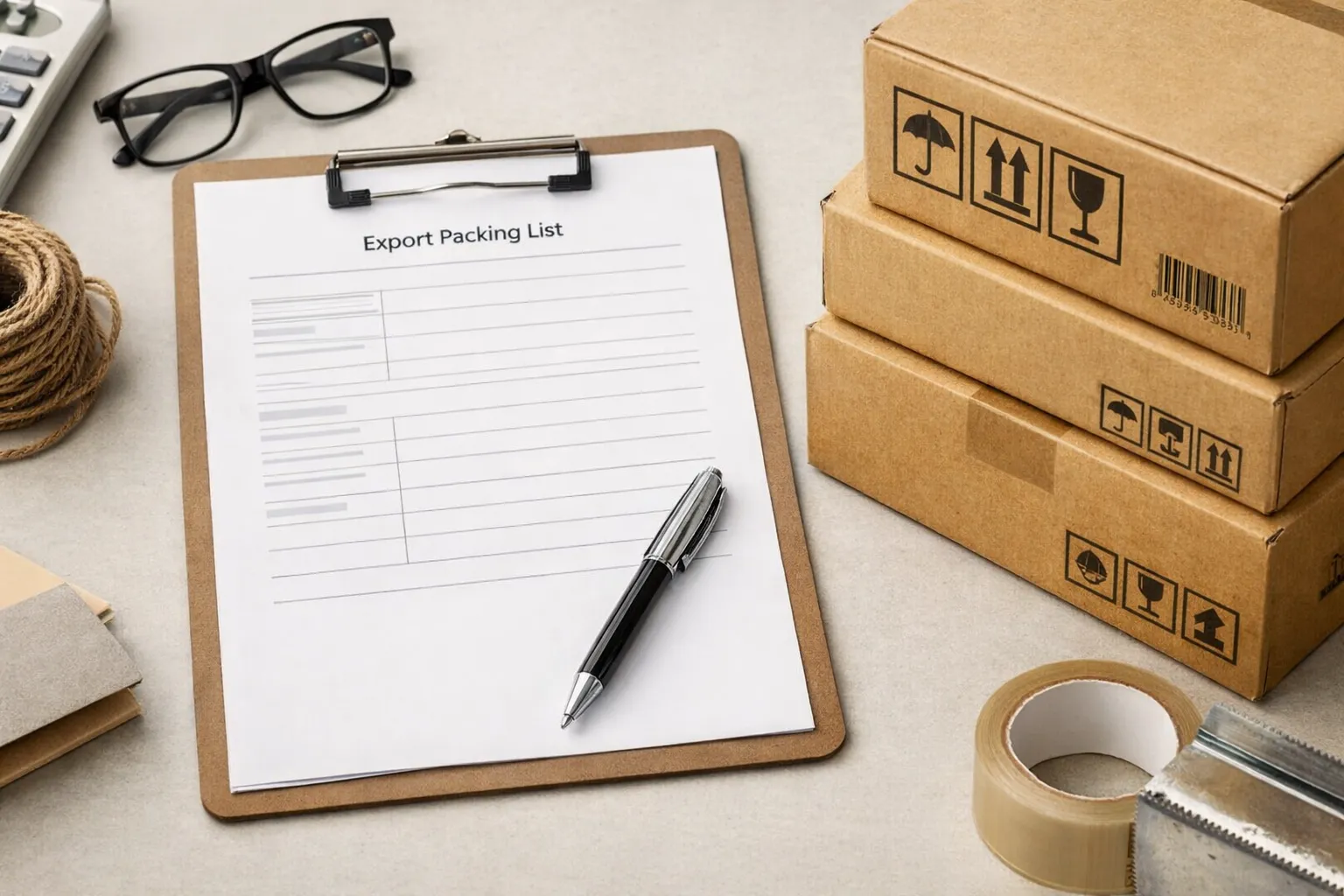
3. Packing List
What it is: A detailed document listing exactly what is packed inside each box or package in your shipment.
Purpose: Customs inspectors use it to verify that the shipment contents match what has been declared. Your buyer uses it to check delivery and unpack correctly. Freight forwarders use it to calculate freight charges accurately.
What it must include: Total number of packages, gross and net weight of each package, dimensions, contents per box, and package marks and numbers that match what is physically written on the boxes.
When needed: For every export shipment. It always accompanies the commercial invoice.
You can read our detailed guide on: “How Much Money Do You Need to Start an Export Business in India?“
4. Export Order / Purchase Order
What it is: The official order document sent by the buyer confirming they want to purchase your goods on the agreed terms.
Purpose: This is your formal authority to begin production, sourcing, or shipment preparation. It confirms price, quantity, delivery terms, and payment method. It is also your primary reference document for preparing all other export paperwork.
When needed: Before you begin preparing the shipment. Everything downstream — invoice, packing list, Shipping Bill — is prepared based on the purchase order.
Regulatory and Compliance Documents
5. Shipping Bill
What it is: The most important customs document for any export from India.
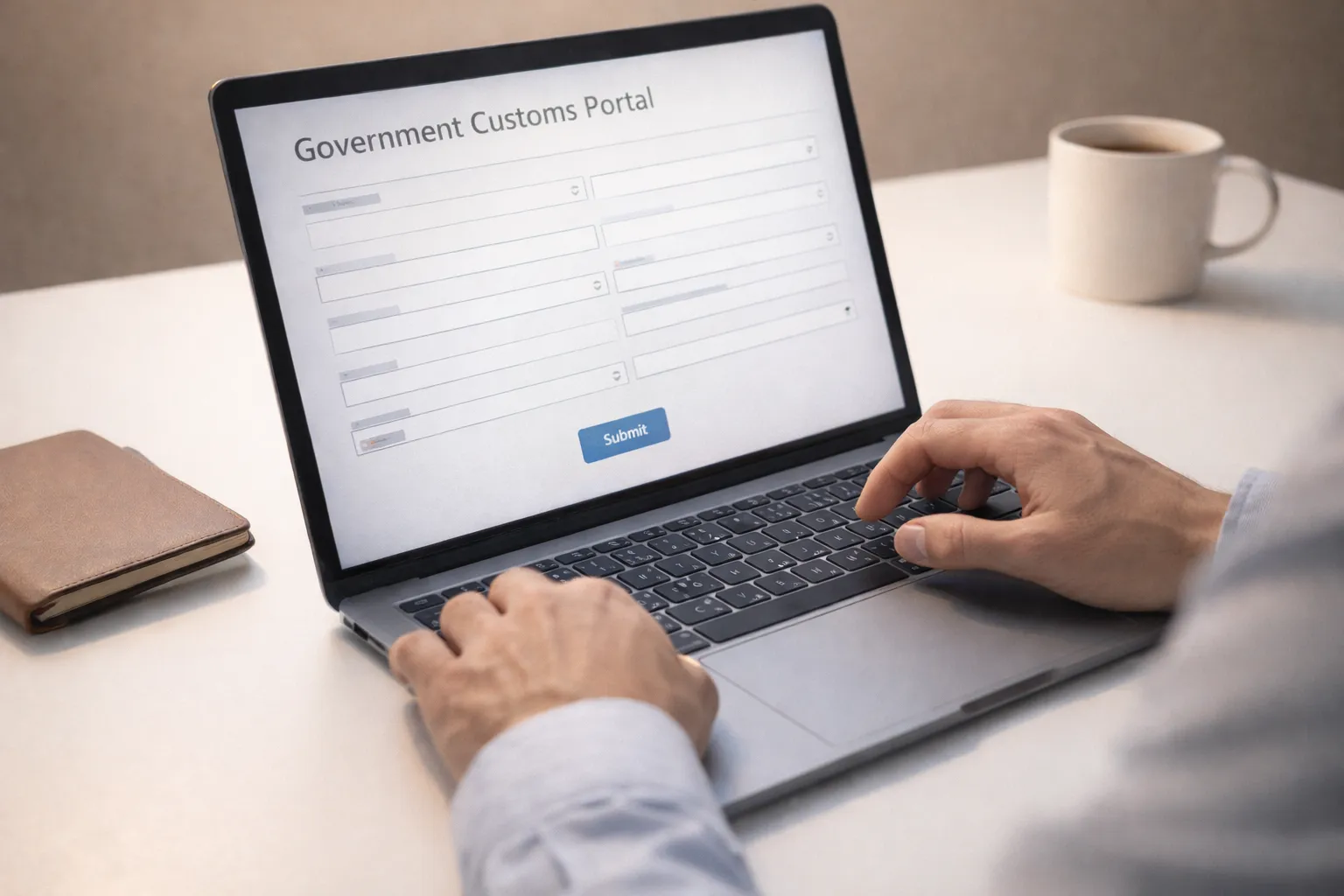
Purpose: The Shipping Bill is your formal declaration to Indian customs that you are exporting a specific consignment. It is filed on ICEGATE — India’s customs portal — by you or your CHA (Customs House Agent). Without a filed and approved Shipping Bill, your goods cannot leave the port.
Types of Shipping Bill:
- Free Shipping Bill — for goods exported without claiming any duty drawback
- Dutiable Shipping Bill — for goods that attract export duty
- Drawback Shipping Bill — for goods where you are claiming duty drawback benefit
Who files it: Your CHA in most cases, though you can file directly on ICEGATE if you are registered.
6. Bill of Lading (Sea Shipments)
What it is: A document issued by the shipping line confirming that your goods have been received and loaded onto the vessel.
Purpose: The Bill of Lading — commonly called BL — serves three functions simultaneously. It is a receipt confirming the shipping line has your goods. It is a contract of carriage between you and the shipping line. And crucially, it is a title document — whoever holds the original BL legally owns the goods while they are in transit.
Types:
- Original BL — physical document required by the buyer’s bank in LC transactions
- Telex Release — the shipping line confirms release electronically, no physical BL needed
- Seaway Bill — non-negotiable version, used when buyer and seller have established trust
When needed: For all sea freight shipments without exception.
7. Airway Bill (Air Shipments)
What it is: The air freight equivalent of the Bill of Lading — issued by the airline or air freight carrier.
Purpose: The Airway Bill is proof that your goods have been handed over to the airline for transportation. Unlike the Bill of Lading, it is a non-negotiable document — it cannot be used as a title document or transferred to another party. Goods are released to the consignee named on the Airway Bill directly.
When needed: For all air freight shipments — samples, urgent orders, perishables, or high-value goods shipped by air.
You can read our detailed guide on: “What is AD Code for Export in India? Complete Beginner’s Guide“
8. Certificate of Origin
What it is: A document that officially certifies your goods were produced, manufactured, or substantially processed in India.
Purpose: Many importing countries use the Certificate of Origin to determine the applicable import duty rate. Goods from India may attract lower duty under specific trade agreements — but only if a valid Certificate of Origin is presented.
Two types:
- Non-preferential — standard, used when no specific trade agreement applies
- Preferential — used under trade agreements like ASEAN FTA, UAE CEPA, SAFTA — can significantly reduce the duty your buyer pays
Issued by: DGFT, Export Promotion Councils, or authorised Chambers of Commerce.
9. HS Code Declaration
What it is: Not a separate document — but a critical piece of information that must appear on every export document.
Purpose: The Harmonised System Code classifies your product for customs purposes globally. It determines export duty, import duty in the destination country, and whether any restrictions or licences apply to your product.
Where it appears: Commercial invoice, Shipping Bill, packing list, and Certificate of Origin.
Why it matters: Using the wrong HS Code — even accidentally — can trigger customs queries, incorrect duty calculations, or delays at both the Indian port and the destination country’s customs. Always verify your HS Code before your first shipment.
Product-Specific Documents
These are not required for every export — only for specific product categories. Check whether your product falls into any of these before shipping.
10. FSSAI Certificate (Food Products)
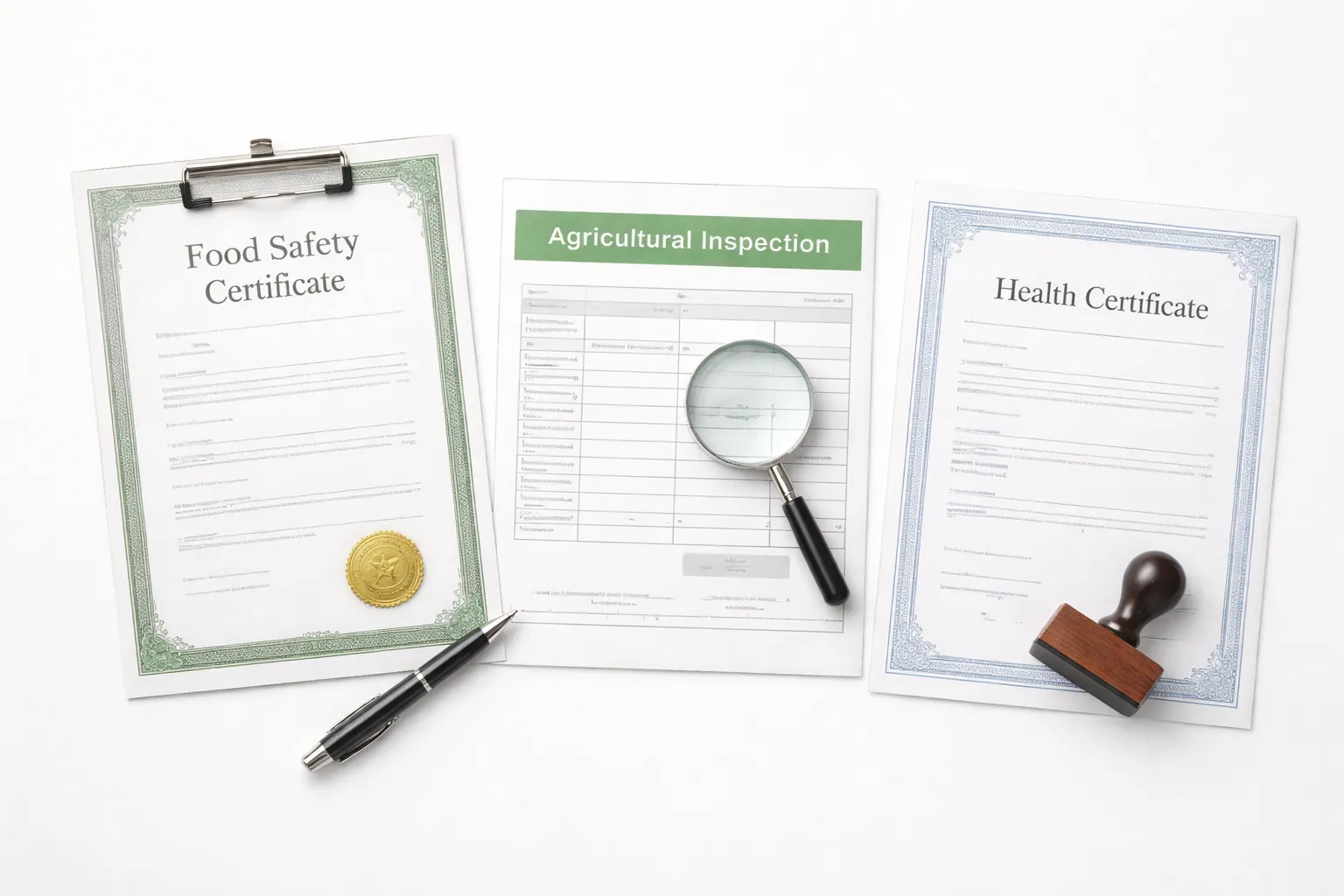
Required for the export of food products, spices, beverages, and processed food items from India. Issued by FSSAI (Food Safety and Standards Authority of India). Your FSSAI registration number must appear on your export packaging and documentation.
11. Phytosanitary Certificate (Agricultural Products)
Required for the export of plants, seeds, fresh produce, and certain agricultural goods. It certifies that the goods are free from pests and diseases that could harm agriculture in the destination country. Issued by the Plant Quarantine Department after inspection (ppqs.gov.in).
12. Health Certificate (Meat, Seafood, Dairy)
Required by most importing countries for animal-origin products including meat, seafood, eggs, and dairy. It certifies the product is fit for human consumption and meets the health standards of the destination country. Issued by APEDA or the relevant government veterinary authority.
13. Quality Inspection Certificate
Required by some buyers or importing countries as proof that the exported goods meet a specified quality standard. Issued by the Export Inspection Council (EIC) or an accredited third-party inspection agency. Common in textiles, engineering goods, and food products exported to regulated markets.
Banking and Payment Documents
14. Letter of Credit (LC)
What it is: A payment guarantee document issued by the buyer’s bank on the buyer’s instruction.
Purpose: The LC guarantees that you — the exporter — will receive payment, provided you present the correct documents as specified in the LC within the validity period. It reduces payment risk significantly, especially with new buyers in unfamiliar markets.
When needed: When you and the buyer agree to use LC as the payment method. Not every export uses LC — it is more common for large orders or when the buyer is in a country with higher payment risk.
15. FIRC — Foreign Inward Remittance Certificate
What it is: A certificate issued by your bank confirming that a specific foreign currency payment has been received in your export account.
Purpose: FIRC is your formal proof of export payment received. It is required when claiming GST refunds, Duty Drawback, RoDTEP benefits, and other export incentives. Without FIRC, you cannot prove to the government that you actually received the foreign payment for your export.
Issued by: Your bank, automatically or on request, after the foreign payment is credited to your account.
Keep every FIRC safe — in digital and physical form. They are needed repeatedly for compliance and incentive claims throughout the financial year.
Export Documents Checklist — Quick Reference
Use this before every shipment to confirm nothing is missing:
- Proforma Invoice sent and buyer confirmation received
- Purchase Order from buyer in hand
- Commercial Invoice prepared with correct HS Code, IEC number, and Incoterms
- Packing List prepared and matching physical shipment
- Shipping Bill filed on ICEGATE through CHA or directly
- Bill of Lading (sea shipments) or Airway Bill (air shipments) received from carrier
- Certificate of Origin obtained if required by destination country
- HS Code verified and consistent across all documents
- Product-specific certificate obtained — FSSAI, Phytosanitary, Health Certificate, or Quality Inspection as applicable
- LC documents prepared and presented to bank if payment is via LC
- FIRC filed and saved after foreign payment is received
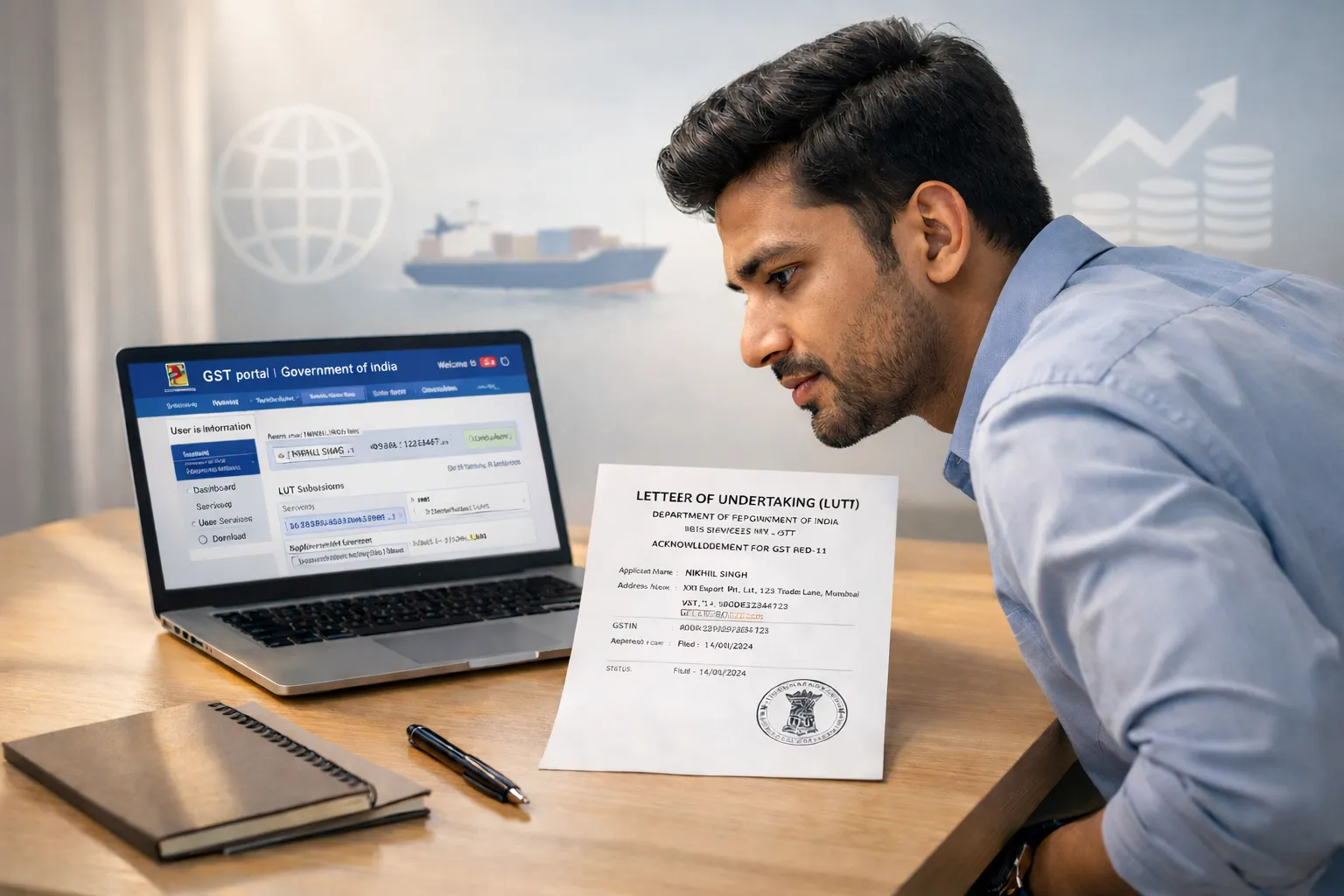
You can read our detailed guide on: “GST for Exporters: LUT, Zero Rating and Refund Explained Simply“
Conclusion
Export documentation is not as complicated as it looks at first glance. Each document exists for a clear reason — and once you understand that reason, preparing the paperwork becomes a process you can manage systematically.
The documents you’ll use for every shipment are the same core set: commercial invoice, packing list, and Shipping Bill. The others come in based on your freight mode, product category, and payment terms.
Build a checklist. Use it before every shipment. And keep copies of everything — especially your Shipping Bill, BL or Airway Bill, and FIRC — because they are all needed again for refunds and incentive claims.
Key Takeaways
- Export documents in India fall into two categories — commercial documents between you and the buyer, and regulatory documents required by customs and government bodies.
- The Shipping Bill is the most critical customs document — without it filed on ICEGATE, your shipment cannot leave India.
- Bill of Lading is used for sea shipments and Airway Bill for air shipments — both serve as proof that your goods are in transit with the carrier.
- Product-specific certificates like FSSAI or Phytosanitary Certificate are mandatory for food and agricultural exports — check your product category before your first shipment.
- FIRC is the proof of foreign payment received — keep it safe as it is required for GST refunds, Duty Drawback, and export incentive claims.
Frequently Asked Questions
Q1: Which export document is the most important for customs clearance in India?
The Shipping Bill is the single most important document for customs clearance in India. It is your formal declaration to Indian customs that you are exporting a specific consignment — and without a filed and approved Shipping Bill on ICEGATE, your goods physically cannot leave the port.
The commercial invoice and packing list are equally critical in a supporting sense — the Shipping Bill is based on these documents, and any discrepancy between them causes customs to flag or hold your shipment. All three work together, but the Shipping Bill is the one that directly controls whether your shipment moves or stays.
Q2: Do I need all these documents for every shipment or only some of them?
Not all of them — the required set depends on your freight mode, product category, and payment terms.
The documents you need for every shipment are: commercial invoice, packing list, and Shipping Bill. These are non-negotiable regardless of what you’re exporting or where.
Beyond that: sea shipments need a Bill of Lading, air shipments need an Airway Bill. If your destination country requires a Certificate of Origin, you need that too. Food products require FSSAI documentation. LC payment terms require the full LC document set.
The checklist in this article helps you identify exactly which documents apply to your specific shipment. Start with the core three and add the others based on your situation.
Q3: Who helps prepare export documents — do I need to hire someone?
Some documents you prepare yourself — the commercial invoice, packing list, and proforma invoice are all created by the exporter. Standard formats exist for each, and once you’ve done it a few times, the process becomes straightforward.
The Shipping Bill is typically filed by a CHA — Customs House Agent. CHAs are licensed professionals who handle customs filings on behalf of exporters. For your first few shipments, working with a CHA is strongly recommended — they know ICEGATE, know what customs expects, and catch errors before they cause delays.
The Bill of Lading and Airway Bill are issued by the shipping line or airline — you receive them after handing over your goods, not prepare them yourself. Product-specific certificates like FSSAI and Phytosanitary are issued by the relevant government bodies after registration or inspection.
Q4: What happens if export documents have a mismatch?
A mismatch between export documents is one of the most common causes of shipment delays — and it happens more often than most beginners expect.
The most critical mismatch to avoid is between your commercial invoice, packing list, and Shipping Bill. If the invoice shows a different quantity, value, or HS Code than what is on the Shipping Bill, customs will flag the discrepancy and may hold your shipment for clarification. Resolving this at the port takes time — and time at the port means storage charges and potential missed vessel deadlines.
For GST refunds, a mismatch between your Shipping Bill data and GSTR-1 return data will cause your refund to fail automatically. The system matches these two records electronically — even a small difference in invoice number or value blocks the refund until it is corrected.
The fix is simple: prepare your commercial invoice first, then use those exact same details — same numbers, same descriptions, same values — on every other document that follows. Consistency across all documents eliminates mismatches before they happen.