Cost is the question every beginner is afraid to ask out loud. Some say export needs crores. Others say you can start with nothing. Both are wrong.
One of the first things I wanted to know was: what is the actual export business cost in India — broken down clearly? I couldn’t find a straight answer anywhere. Everything was either too vague or too scary.
So here is the honest breakdown — category by category, with real numbers where they exist.
Quick Answer: Export Business Setup Cost in India
Before the full breakdown, here’s the direct answer:
Registrations and setup: ₹5,000 – ₹35,000 depending on how you do it.
First shipment working capital: Separate from setup. Depends on your product, order size, and payment terms.
The registration side is genuinely affordable. The working capital side needs real planning. This article covers both.
Cost 1: Business Registration for Export in India
You need a registered business entity to export legally.
Sole proprietorship is the cheapest option. No formal government fee. If you use a CA for Udyam registration or a shop act licence, expect ₹500 – ₹2,000.
Private limited company costs ₹5,000 – ₹15,000 in government fees, plus professional charges. Most beginners don’t need this on day one.
Start as a sole proprietor unless your buyer or product specifically requires a company structure.
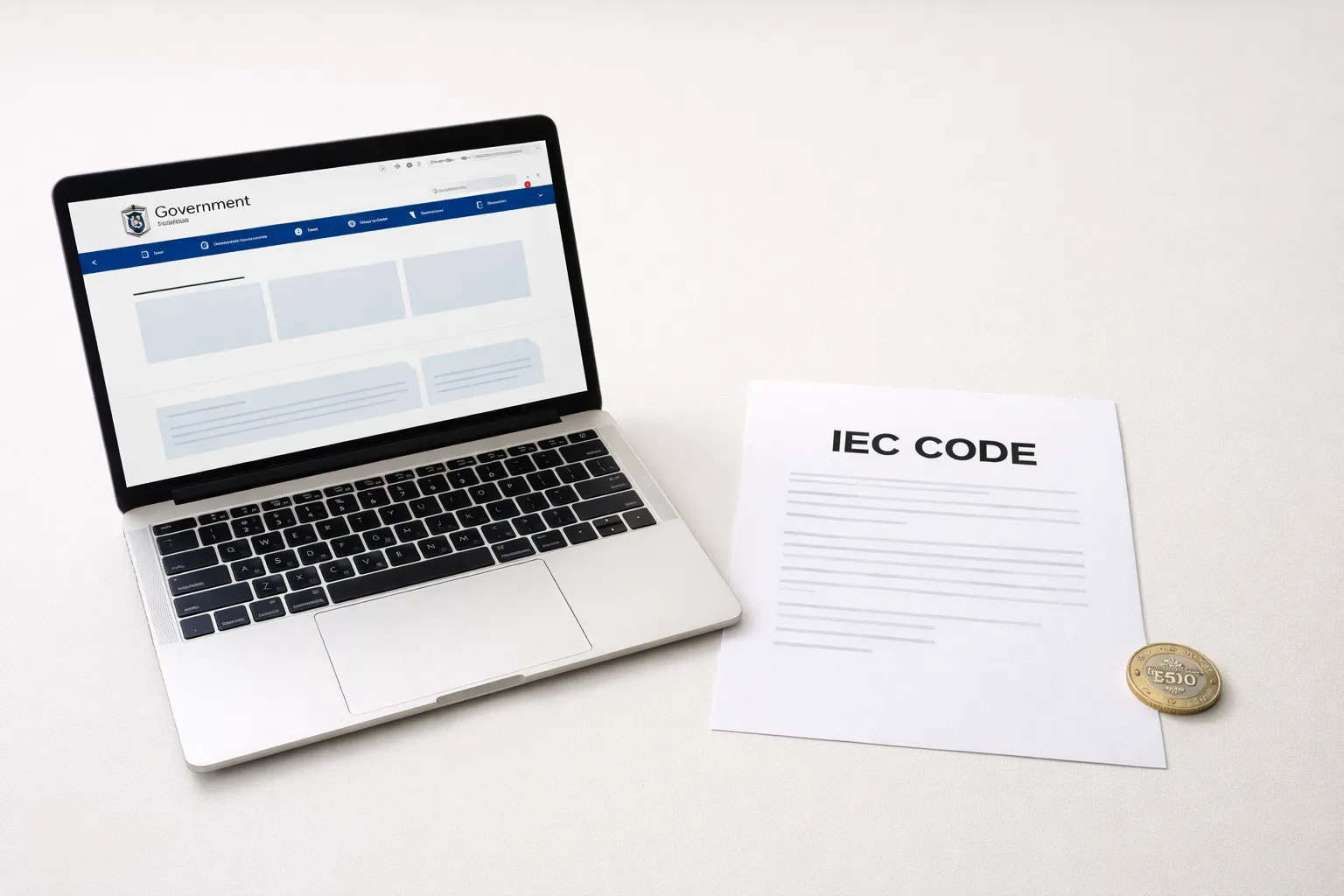
Cost 2: IEC Code Registration Fee — DGFT
The IEC Code costs ₹500 on the DGFT portal. That’s the full government fee.
One-time payment. No renewal. No annual charges.
You can apply yourself online in 30–45 minutes. Approval comes in one to two working days.
If someone quotes you ₹2,000–₹5,000 to “get your IEC done,” they’re charging for their time — not the government fee. You can do it yourself.
You can read our detailed guide on: “How to Get IEC Code in India: Step-by-Step Guide”
Cost 3: GST Registration and LUT Filing Cost for Exporters
GST registration is free if you do it yourself on the GST portal.
If you use a CA or GST practitioner, expect ₹500 – ₹2,000 as a service fee.
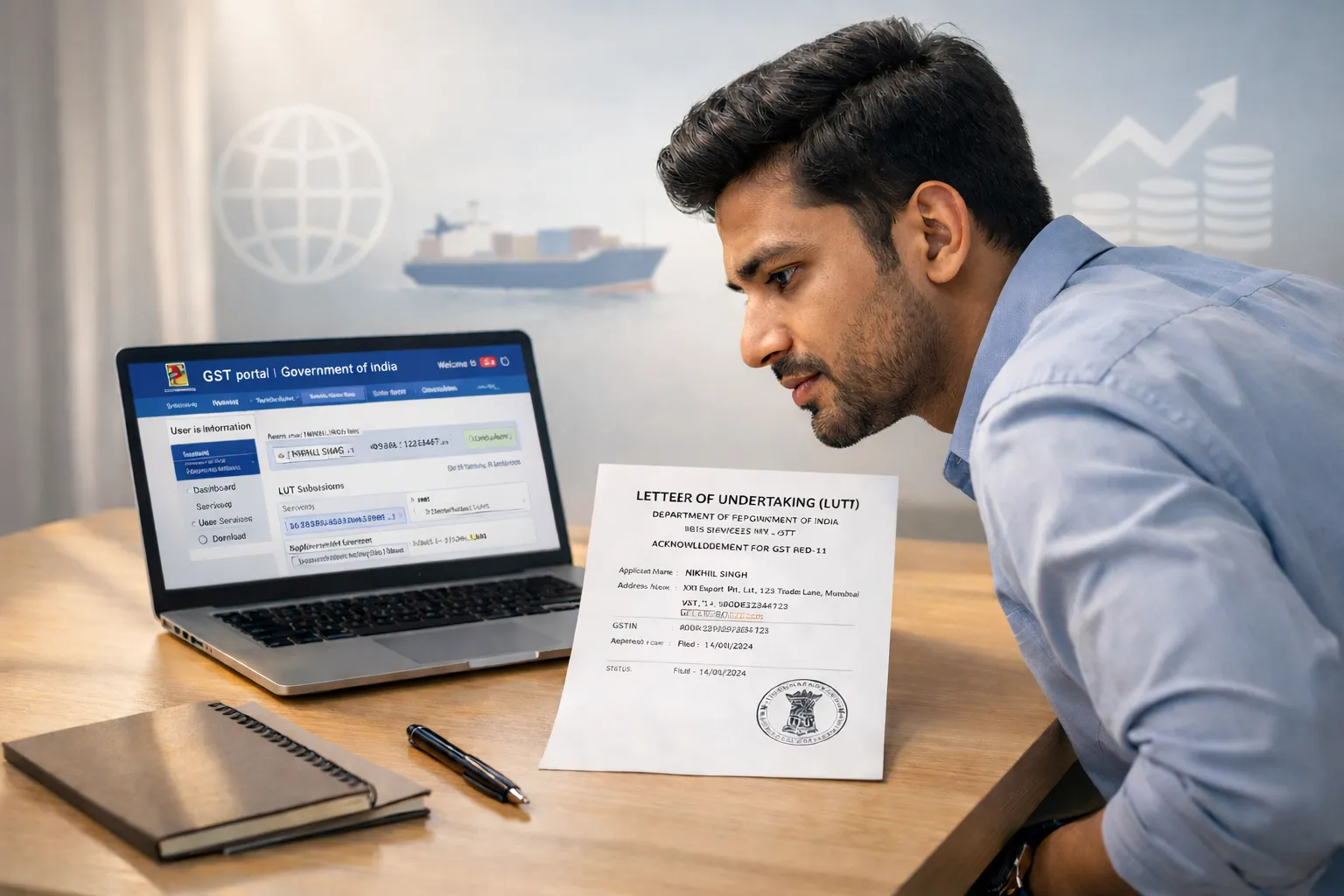
LUT filing — which lets you export without paying GST upfront — is also free. Takes about 15 minutes once your GST is active. Renew it every April.
Total cost: ₹0 if done yourself. ₹500 – ₹2,000 with professional help.
Cost 4: AD Code and Bank Account
Opening a current account has no direct fee at most banks — but most require a minimum average balance of ₹5,000 – ₹25,000 depending on the bank and account type.
AD Code registration at your customs port is free. Your bank provides the letter. You submit it to the port’s customs office. One-time process.
Cost 5: Product Samples
Most serious buyers ask for samples before placing an order.
Sample cost depends on your product — could be ₹500 or ₹10,000+.
International courier is usually the bigger expense:
- Middle East: ₹2,000 – ₹4,000
- Europe or US: ₹3,000 – ₹6,000
- Heavier samples cost more
Plan for two to three rounds of sample sending before your first confirmed order. Not every sample request converts.
Cost 6: Export Platform Fees — IndiaMART and Alibaba
You don’t need a paid platform on day one. But here’s what they cost when you’re ready:
IndiaMART — free basic listing available. Paid plans start at ₹15,000 – ₹25,000 per year.
Alibaba Gold Supplier — significantly more expensive. Check current pricing directly on the official Alibaba India seller page before committing. Rates change.
Free alternatives to start with:
- Product catalogue as a PDF
- LinkedIn outreach to importers
- Export promotion council directories
- Cold email to buyers in target countries
Don’t pay for a platform before your product, samples, and catalogue are ready.
Cost 7: Packaging and Labelling
Export packaging needs to be sturdier and properly labelled.
Basic upgrade per carton adds ₹5 – ₹30 depending on size and material.
Labelling must include product name, country of origin, weight, and importer details. Food and cosmetic products have stricter requirements in markets like the EU and US.
If you use wooden pallets or crates, they must meet ISPM-15 standards — heat-treated and stamped. Your CHA can guide you on this.
Cost 8: Freight and Logistics
This is your largest variable cost per shipment — and it varies too much for a single number.
Sea freight (LCL) — cheapest option. Your goods share a container. Slower but significantly lower cost.
Air freight — three to five times more expensive per kilogram. Use it for high-value, low-weight products or urgent orders.
CHA charges for customs documentation: typically ₹3,000 – ₹8,000 per standard shipment.
Always get quotes from two to three freight forwarders before your first shipment. Rates vary and negotiation is normal.
What You Do NOT Need to Spend on Before Your First Export Order
A lot of beginners burn through their budget on the wrong things before shipping once.
- Office space — Not needed. Many exporters work from home through their first several shipments.
- Paid platform subscriptions before you’re ready — Get your product and samples sorted first. Then invest in visibility.
- Staff — No reason to hire anyone before your first confirmed order.
- Expensive website — A clean product catalogue and professional email are enough to start.
- Consultants promising buyer connections — Be careful. Many charge significant fees and don’t deliver. Use legitimate platforms and your own outreach instead.
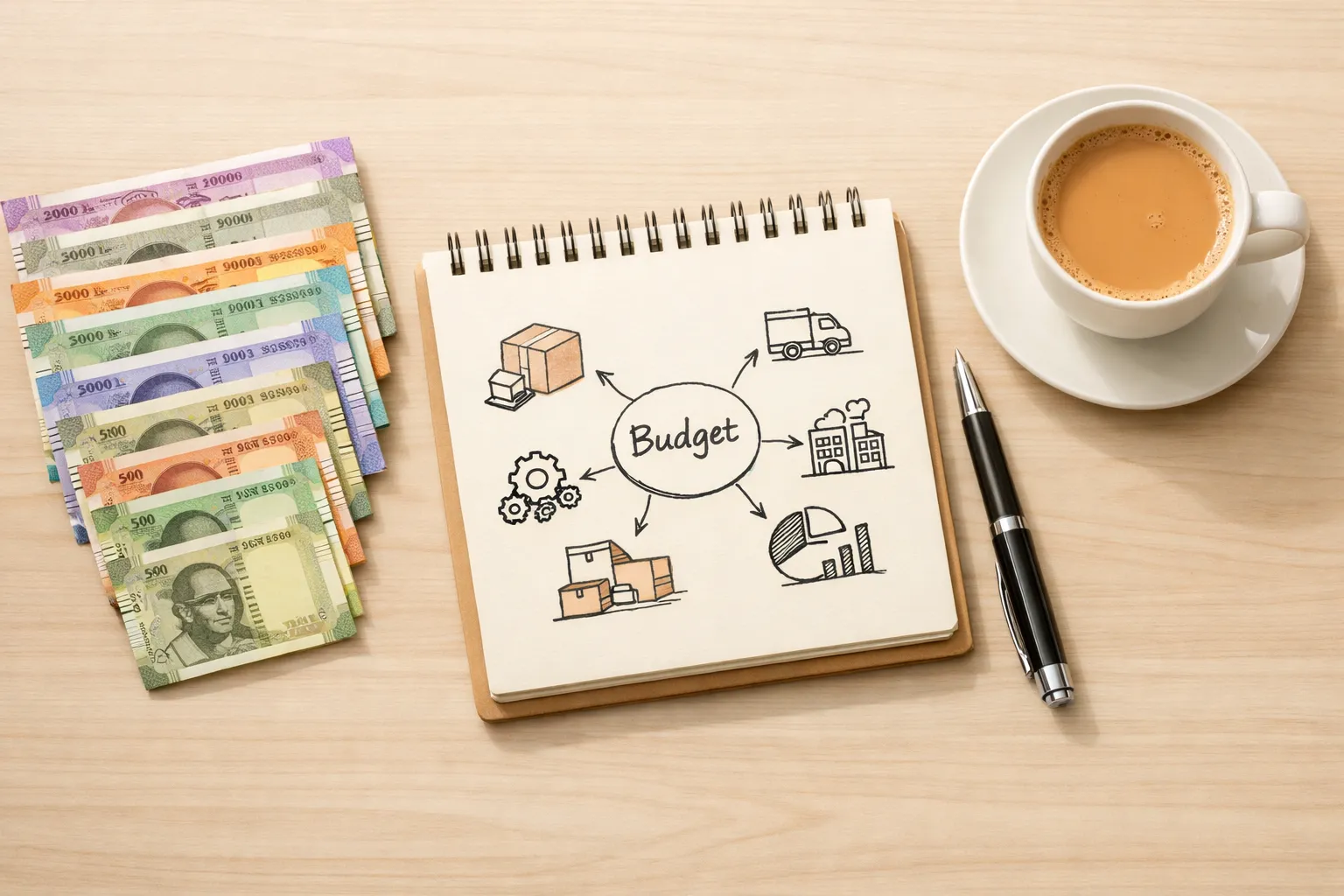
Realistic Export Business Budget Breakdown for Beginners
Here is the complete export setup cost in India in one place:
| Cost Item | Approximate Cost |
|---|---|
| Business Registration | ₹0 – ₹2,000 |
| IEC Code | ₹500 |
| GST Registration | ₹0 – ₹2,000 |
| AD Code + Current Account | ₹0 – ₹2,000 |
| Product Samples + Courier | ₹2,000 – ₹15,000 |
| Platform / Marketing | ₹0 – ₹5,000 |
| Packaging Upgrade | ₹1,000 – ₹5,000 |
| Miscellaneous | ₹1,000 – ₹3,000 |
| Minimum Setup Total | ₹5,000 – ₹35,000 |
Working capital for your actual shipment is separate and depends on product value and payment terms.
You can read our detailed guide on: “Which Product Should You Export from India? How to Choose“
Working Capital for Export Business — What Beginners Miss
Setup costs are manageable. The harder question is: can you fund your first order before the buyer pays you?
If your buyer pays 100% in advance, you’re covered. But many buyers — especially with new suppliers — won’t agree to full advance.
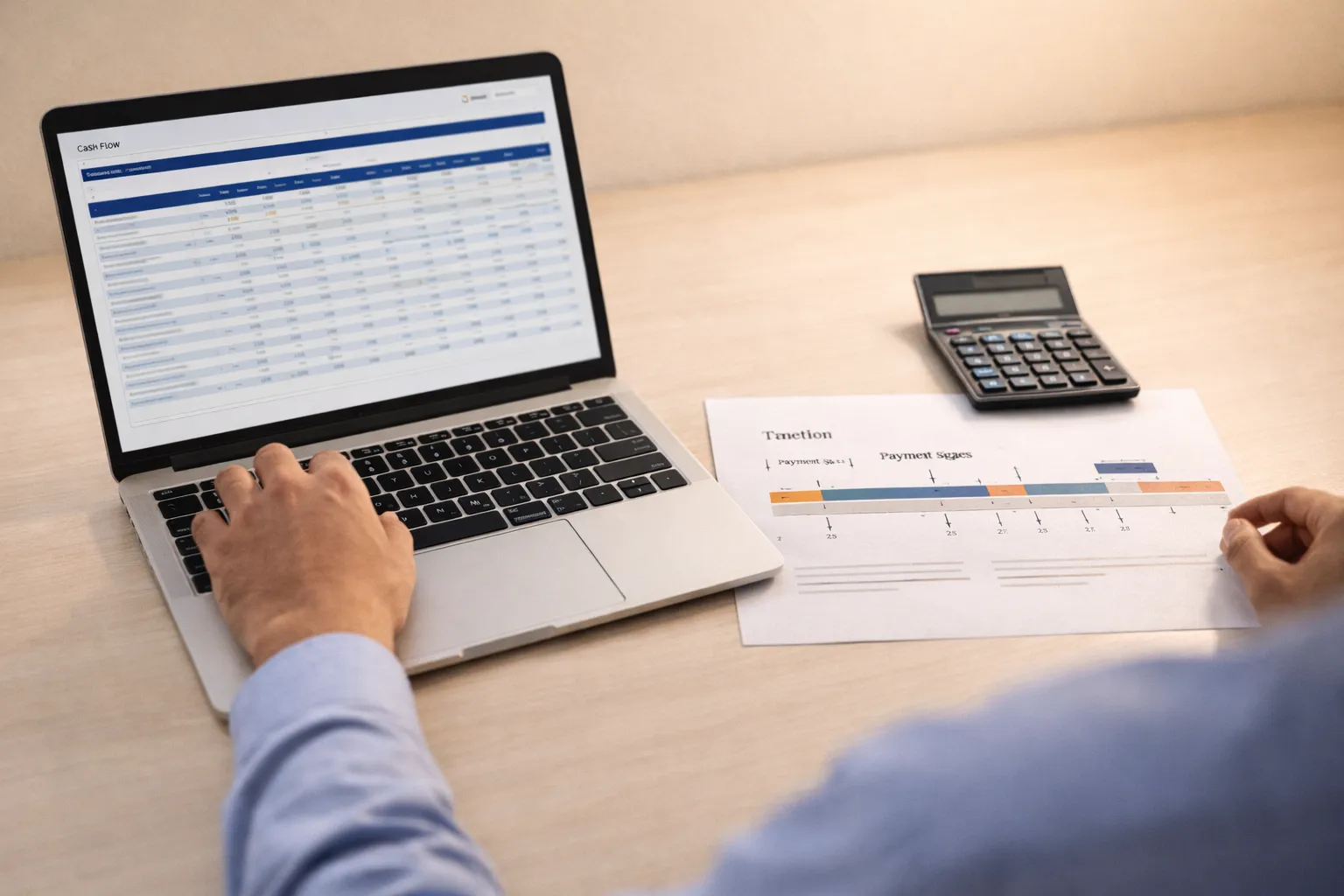
A common arrangement is 30% advance, 70% after shipment. That means you fund 70% of the order yourself and wait for payment — sometimes 30 to 90 days after shipping.
Before confirming any order, calculate exactly how much money you need and for how long. This gap is where most first-timers get caught off guard.
You can read our detailed guide on: “How to Receive Payment for Your Exports: All Methods Explained”
Key Takeaways
- All export registrations combined can be done for under ₹5,000 if you do them yourself. The setup cost is genuinely low.
- The IEC Code costs only ₹500 — it is the single most important registration and also one of the cheapest.
- The real financial challenge in export is working capital — not registration fees.
- Don’t spend on paid platforms, staff, or office space before your first buyer is confirmed.
- Plan for 30–90 day payment cycles from day one. Your cash flow depends on it.
Frequently Asked Questions
Q1: Can I start an export business with ₹50,000 or less?
Yes — many people do.
Setup registrations can fit within ₹15,000 – ₹25,000 if done yourself. The remaining budget covers samples, courier, and packaging.
The real question is working capital for your first order. If your buyer pays in advance, ₹50,000 can be enough to get started. If not, you’ll need more.
Q2: Do I need to pay any government fees to become an exporter in India?
Just one — the IEC Code application fee of ₹500 on the DGFT portal.
GST registration is free. LUT filing is free. AD Code is free. Sole proprietorship has no government registration fee.
Total mandatory government cost to become an exporter: ₹500.
Q3: What is the biggest hidden cost beginners don’t plan for?
Working capital — by far.
The gap between spending money on production and freight and actually receiving payment from the buyer can be 30 to 90 days.
Most beginners don’t calculate this before confirming their first order. Plan it before you say yes — not after.
Q4: How much does it cost to send export samples from India internationally?
The sample product itself varies by category.
The international courier cost is usually the bigger number:
- Middle East: ₹2,000 – ₹4,000
- Europe or US: ₹3,000 – ₹6,000
Heavier or larger packages cost more. DHL, FedEx, and Aramex are the most commonly used couriers for export samples from India.
Budget for multiple rounds — most buyers don’t order after the first sample.
Q5: Can I export from India without investing in a paid platform like Alibaba?
Yes — and many exporters start this way.
Free options that actually work:
- Free IndiaMART listing
- LinkedIn outreach to importers
- Export promotion council buyer directories
- Cold email to buyers in target countries
- Trade fairs organised by EPCs
Paid platforms increase visibility — but they only make sense once your product, samples, and catalogue are ready.
Spend on platforms after your first buyer, not before.